

If you’ve ever wondered what belongs in the front‑end of a website, you’re not alone. Front‑end development is the part of web creation that users actually see and interact with – the layout, the buttons, the animations. It’s where design meets code, and it’s the first place most people notice when a site works well or falls apart.
Start with HTML, CSS, and JavaScript. HTML gives the structure, CSS styles it, and JavaScript adds interactivity. Knowing how these three work together lets you build pages that load fast and look great on any device. From there, learning a modern framework like React, Vue, or Angular will speed up development and make your code easier to maintain.
Don’t ignore the basics of responsive design. Media queries, flexbox, and grid let you create layouts that adapt from phones to large monitors without a hiccup. Also, get comfortable with version control (Git) and a code editor that you like – these tools are as important as the languages themselves.
Getting a front‑end job without experience is possible if you show a strong portfolio. Real projects, even tiny ones, demonstrate that you can turn a design into a working page. Employers look for problem‑solving ability, clean code, and an eye for detail more than a long résumé.
AI tools are popping up, but they’re not replacing developers yet. They can speed up repetitive tasks, generate snippets, or suggest improvements, but human creativity and debugging skills still win the day. Stay ahead by learning how to work alongside AI – understand its limits and use it as a helper, not a replacement.
Choosing a backend language can boost your front‑end career. Knowing how APIs work in Node.js, Python, or PHP helps you communicate better with backend teams and build full‑stack features when needed. It also makes you more adaptable in a market that values versatility.
Languages you might think belong only in the back‑end, like Java or C++, have niche front‑end roles too – think game UI or high‑performance web apps. While they aren’t the go‑to for typical websites, knowing their strengths expands your toolset.
Finally, keep an eye on emerging trends: web components, server‑side rendering, and progressive web apps are shaping how users experience the web. Experiment with these concepts in side projects to stay relevant and keep your skill set fresh.
Bottom line: Front‑end development is a blend of design sense, coding chops, and continuous learning. Build solid fundamentals, showcase real work, and adapt to new tools. With those steps, you’ll be ready for any front‑end challenge that comes your way.

Is React still worth learning in 2024? We analyze its dominance in the job market, compare it with Vue and Angular, and discuss when to choose Next.js or alternatives.
Read More
Is Bootstrap responsive or adaptive? Discover how Bootstrap's fluid grid system works, why it's classified as responsive, and how to optimize it for performance.
Read More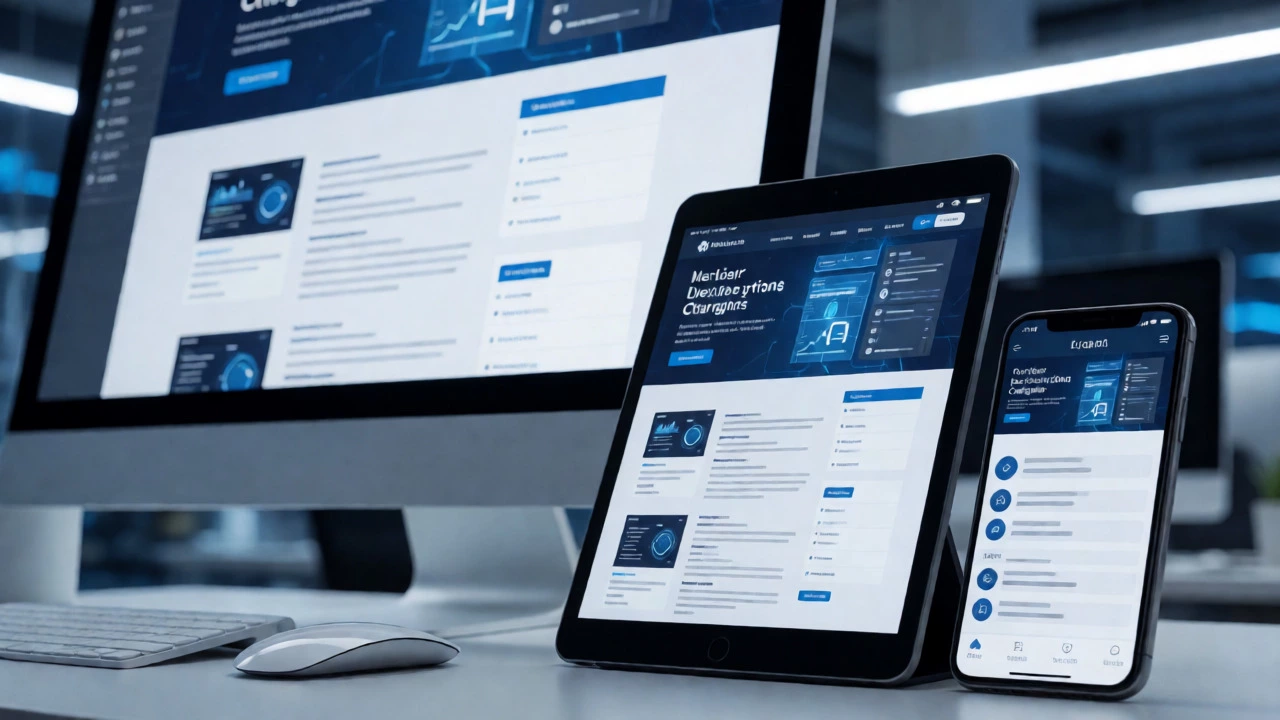
Explore alternatives to responsive web design including adaptive layouts, fluid grids, and separate mobile sites. Learn which approach fits your project.
Read More
Learn how to build a responsive website using AI tools. This guide covers practical steps, common pitfalls, and performance tips for modern frontend development.
Read More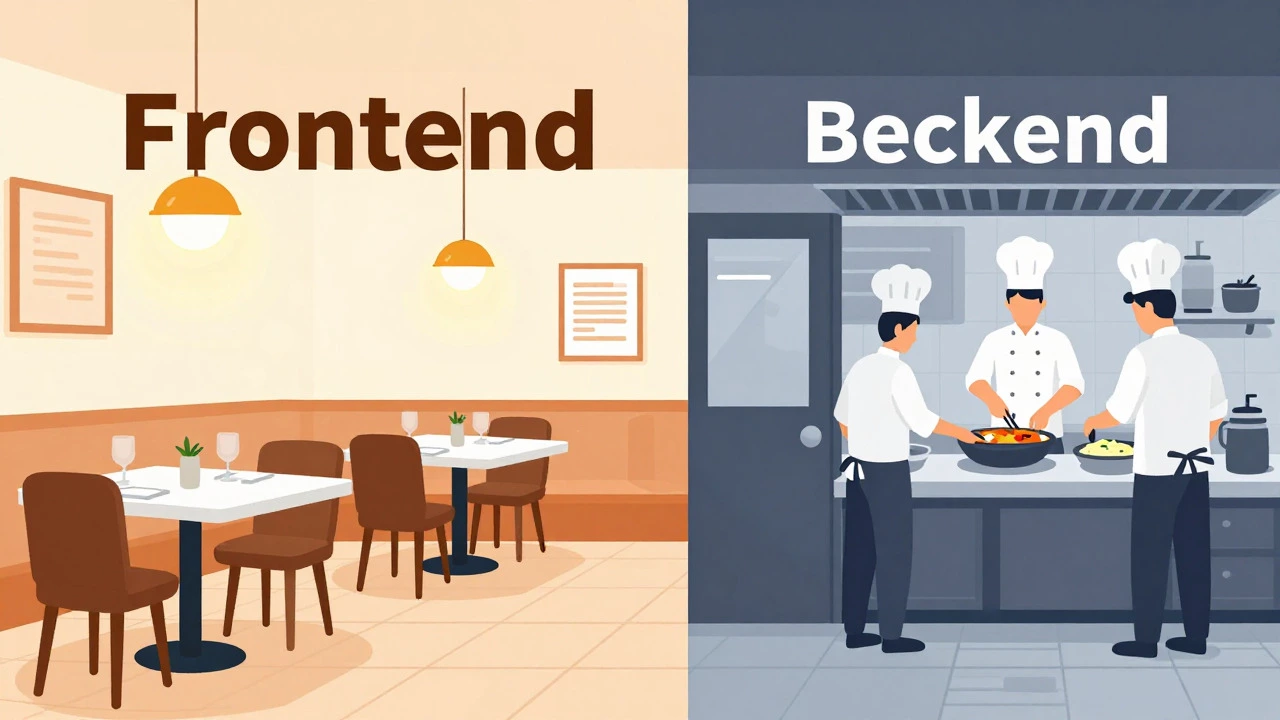
Discover whether HTML is backend or frontend. Learn the core differences between client-side and server-side technologies, how HTML fits into web architecture, and why this distinction matters for developers.
Read More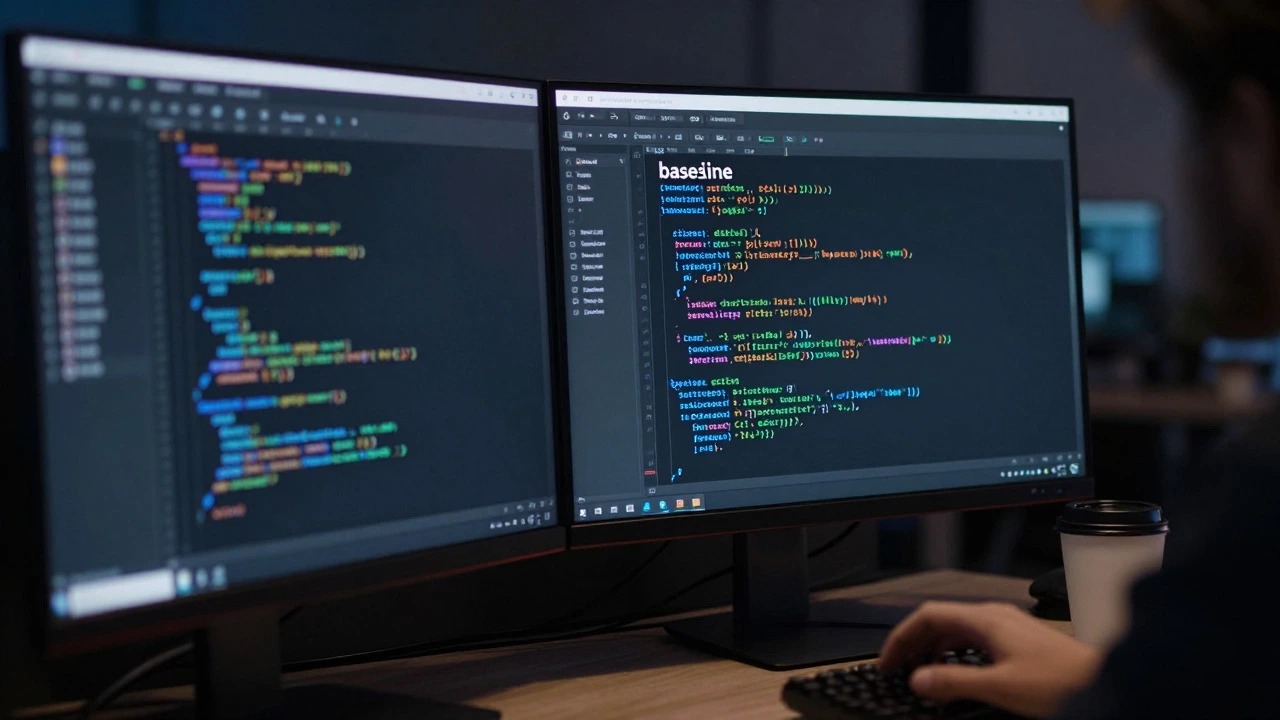
Discover the fastest front-end language for web development in 2026. We compare JavaScript, WebAssembly, Rust, and C++ to help you choose the right tool for speed.
Read More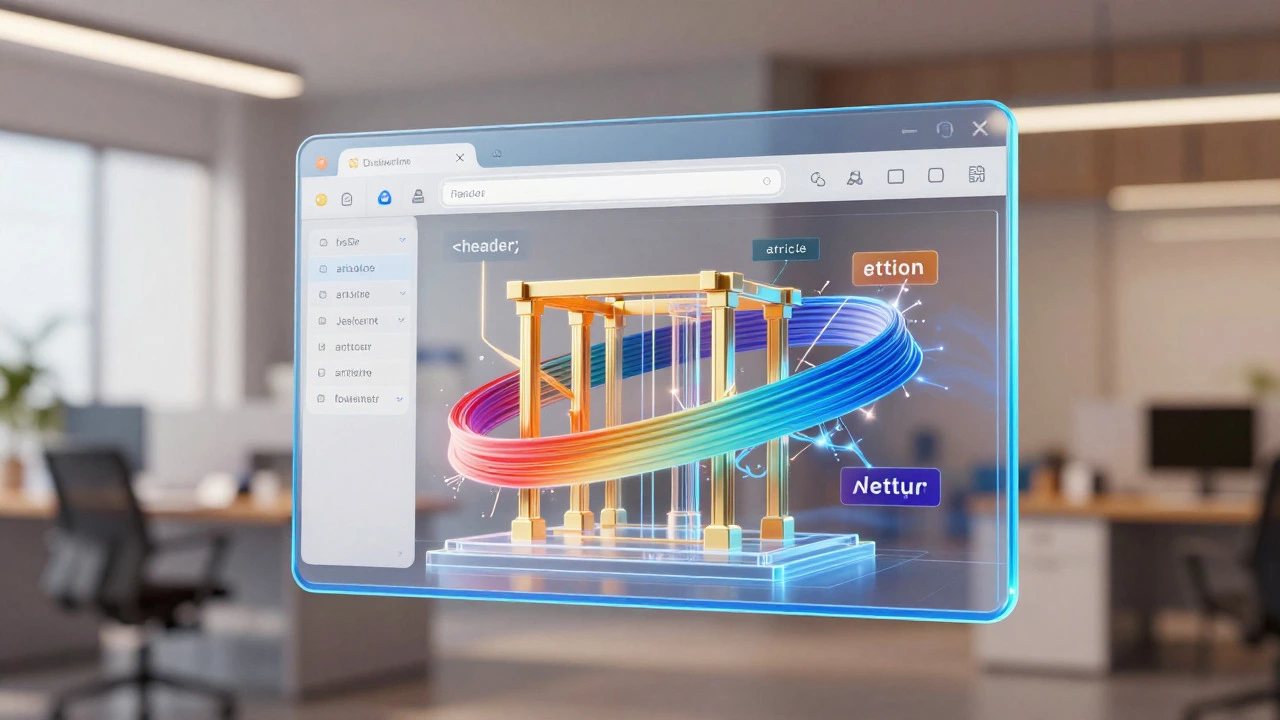
Is HTML front-end or back-end? We break down the definitive answer, explaining how HTML functions in the browser versus server-side rendering and clarifying common misconceptions for web developers.
Read More
Discover why relying solely on pixels (px) hurts responsive design. Learn how to use rem, em, and viewport units for accessible, flexible layouts that work on all devices.
Read More
Discover if front-end development skills are enough to land a job in 2026. Learn the essential tech stack, portfolio tips, and market realities for new developers.
Read More
Explore whether frontend development has a future in 2026 amidst AI advancements. We analyze the shift from coding to architecture, the rise of full-stack lite roles, and essential skills for longevity.
Read More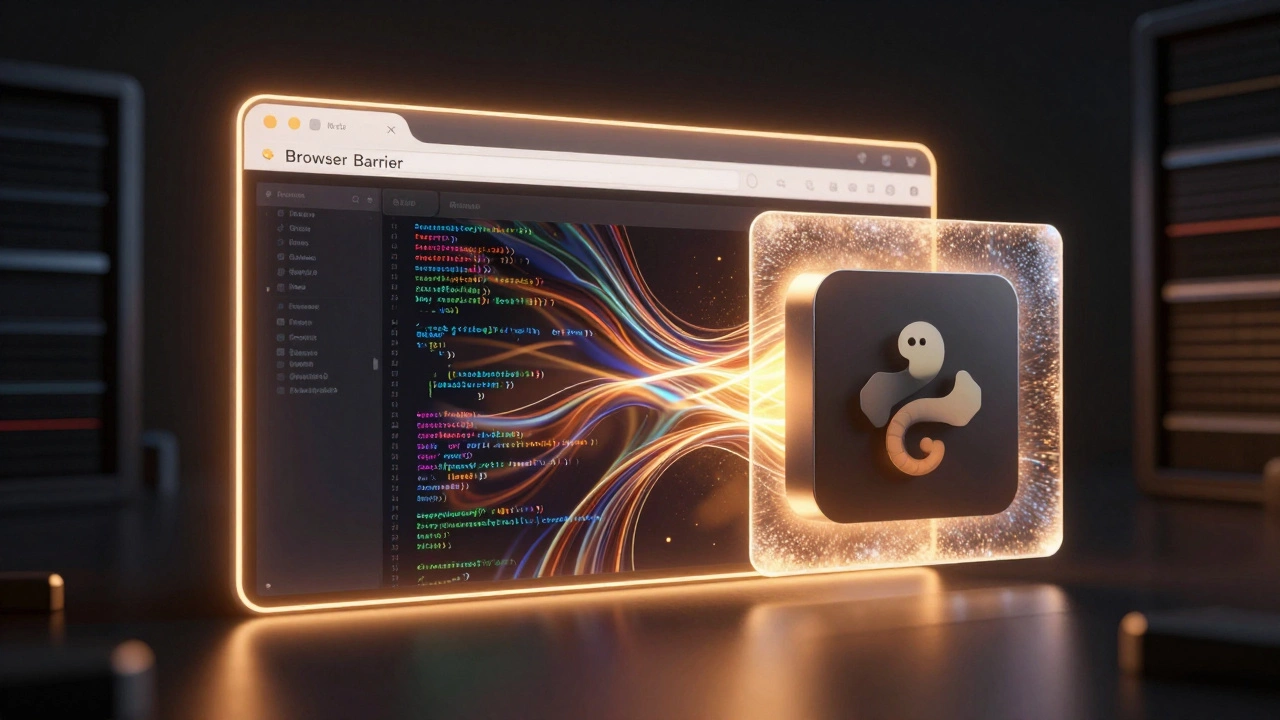
Discover why Python isn't used for frontend development despite its popularity. We explore browser limitations, DOM constraints, and the JavaScript ecosystem's dominance.
Read More
React is a library, not a framework. It handles UI rendering but leaves routing, state, and tooling to other tools. Understanding this helps you build better apps and choose the right add-ons.
Read More