

Is Paid SEO Worth It? ROI Calculator
Enter Your Metrics
Analysis Results
Enter your metrics to see if paid SEO makes financial sense for your business model.
You build a website. It looks great. The code is clean. But nobody visits. Sound familiar? This is the exact moment many developers and business owners ask: "Should I pay someone to fix my Google rankings?"
The short answer is yes, but only if you know what you are paying for. The long answer depends on whether you are trying to rank a local bakery or a SaaS platform competing with industry giants. In 2026, Google SEO is no longer just about adding keywords to text. It is a complex mix of technical architecture, user experience signals, and authoritative content.
If you hire the wrong agency, you will burn cash on vanity metrics like "impressions" that never turn into sales. If you hire the right partner, they become your most profitable growth channel. Let’s break down where the money actually goes and how to decide if it’s worth it for your specific situation.
What You Are Actually Paying For
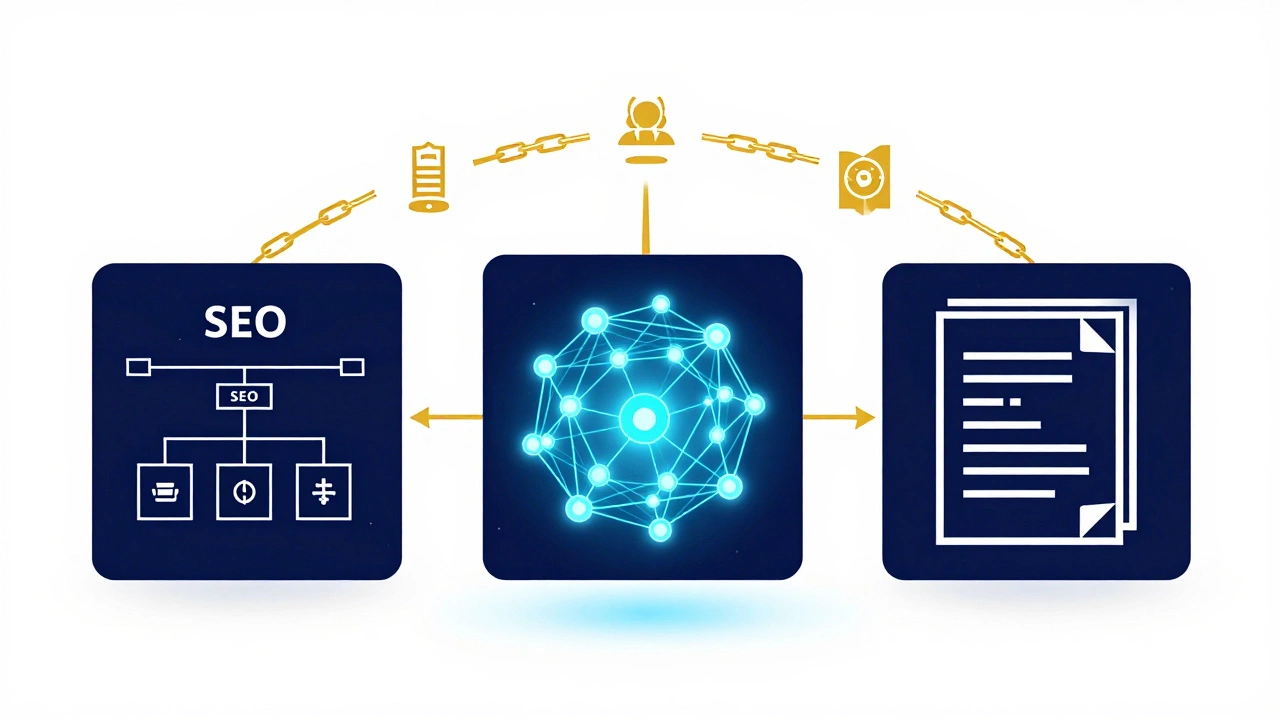
Many people think SEO is magic. They believe an expert has a secret button to make Google love their site. That is not true. When you pay for professional SEO services, you are buying three specific things: time, expertise, and authority building.
First, you are paying for Technical SEO, which is the optimization of a website's infrastructure to help search engines crawl and index pages efficiently. For a developer, this might seem easy. But for a marketing team, fixing Core Web Vitals issues, resolving duplicate content errors, and optimizing JavaScript rendering is a nightmare. Professionals handle this so your site loads fast and reads correctly for bots.
Second, you are paying for Content Strategy, which is a plan to create relevant, high-quality content that satisfies user intent and earns backlinks. Writing blog posts is not enough. You need to map content to the buyer’s journey, identify gaps in your topic clusters, and update old pages. This requires research skills that go beyond basic keyword tools.
Third, you are paying for Link Building, which is the process of acquiring hyperlinks from other websites to improve domain authority and rankings. This is the hardest part of SEO. Google values links as votes of confidence. Getting a link from a reputable news site or industry publication takes relationship building, outreach, and often, creating exceptional assets. You cannot automate this safely.
The DIY Approach: Can You Do It Yourself?
If you are a web developer, you have a massive advantage. You understand how websites work. You can install plugins, edit meta tags, and check server logs. So, why hire anyone?
The problem is focus. If you spend ten hours a week tweaking schema markup, that is ten hours you are not coding new features or selling to clients. Opportunity cost is real. For small businesses with low competition, DIY might work. You can use free tools like Google Search Console, which is a free service by Google that helps you monitor, maintain, and troubleshoot your site's presence in Google Search results. to find errors.
However, DIY hits a ceiling quickly. You might get traffic, but will it convert? Will you know how to structure internal linking to pass authority to your money pages? Most developers struggle with the strategic side of SEO because it requires understanding human psychology, not just HTML.
Consider this scenario: You fix all technical errors. Your site is perfect. But your competitor has 500 high-quality backlinks and you have five. No amount of technical perfection will beat them. You need external authority, which usually requires professional outreach efforts.
When Is Paid SEO Worth It?
Not every business needs an expensive SEO retainer. Here is a quick checklist to determine if you should invest:
- High Customer Lifetime Value (LTV): If one customer is worth $1,000+, spending $500/month on SEO is a no-brainer. You only need one extra client to break even.
- Competitive Market: If your competitors are ranking well and have strong domains, you cannot out-DIY them. You need a team to compete.
- Long-Term Vision: SEO takes 6-12 months to show significant results. If you need traffic next week, pay for ads instead. SEO is for sustainable growth.
- Complex Products: If you sell B2B software or specialized services, you need detailed content that explains complex problems. This requires expert writers and strategists.
If you run a simple portfolio site or a local store with zero online competition, you might not need paid help yet. Start with basics. But if you want to scale, professional guidance accelerates the process significantly.
Red Flags: How to Spot Bad SEO Agencies
The SEO industry is full of snake oil salesmen. Before you sign a contract, watch out for these warning signs:
- Guaranteed Rankings: No one can guarantee a #1 spot. Google changes its algorithm thousands of times a year. Anyone promising fixed positions is lying.
- Secret Methods: If they won’t tell you what they are doing, run away. Transparency is key. You should know which pages they target and which links they build.
- Focus on Vanity Metrics: Impressions and clicks mean nothing if they don’t lead to conversions. Ask for data on leads, sales, or revenue generated.
- One-Size-Fits-All Packages: SEO is custom. If they offer the same package to a dentist and a tech startup, they don’t understand strategy.
A good agency will audit your site first, explain the problems clearly, and propose a tailored plan. They will also be honest about timelines and risks.
| Feature | DIY SEO | Paid Agency |
|---|---|---|
| Cost | Low (tools + time) | High ($1k-$10k+/month) |
| Speed | Slow (learning curve) | Faster (experience) |
| Technical Depth | Good for devs | Comprehensive |
| Link Building | Very Hard | Strong Network |
| Scalability | Limited | High |
The Role of AI in Modern SEO
In 2026, Artificial Intelligence plays a huge role in SEO. Tools like Surfer SEO, which is an AI-powered content optimization tool that analyzes top-ranking pages to provide data-driven recommendations, help writers optimize articles. But here is the catch: Google penalizes low-quality AI content.
Paying for SEO means hiring experts who use AI as a tool, not a crutch. They use it for keyword research, data analysis, and drafting outlines. But the final content must add unique value, personal experience, and expert insight. This is known as E-E-A-T (Experience, Expertise, Authoritativeness, Trustworthiness).
If an agency just spins AI-generated articles, you will waste money. Look for partners who emphasize human editing and original research. The best SEO strategies combine AI efficiency with human creativity.

Measuring ROI: Did It Work?
The biggest fear when paying for SEO is wondering if it works. You need clear KPIs (Key Performance Indicators) from day one.
Don’t just look at organic traffic. Traffic is cheap; customers are valuable. Track these metrics:
- Organic Conversions: Form fills, phone calls, or purchases coming from search.
- Keyword Rankings for Commercial Terms: Ranking for "buy X" is more important than "what is X."
- Domain Authority Growth: A slow, steady increase in your site’s overall strength.
- Bounce Rate & Dwell Time: Are visitors staying? If they leave immediately, your content doesn’t match their intent.
Ask your provider for monthly reports that connect SEO efforts to business outcomes. If they can’t show you how SEO impacts your bottom line, fire them.
Next Steps for Developers
If you are a developer deciding whether to pay for SEO, start with a technical audit. Use free tools to check for major issues. If you find deep problems like poor site structure or slow servers, fix them yourself. Then, consider hiring a specialist for content and link building.
Remember, SEO is a marathon, not a sprint. The companies that win are those who stay consistent, adapt to changes, and always prioritize the user. Whether you do it yourself or hire help, the goal remains the same: solve your users’ problems better than anyone else. That is what Google rewards.
How much should I pay for SEO services?
Prices vary widely based on competition and scope. Small businesses might pay $500-$1,500 per month. Competitive industries can cost $3,000-$10,000+ per month. Always ensure the cost aligns with your potential customer lifetime value.
How long does it take to see results from paid SEO?
Typically 4-6 months for noticeable improvements and 9-12 months for significant ROI. New sites may take longer. Be wary of anyone promising overnight success.
Can I do SEO myself as a web developer?
Yes, especially for technical aspects. However, content strategy and link building require specialized skills. Many developers benefit from a hybrid approach: handling technical SEO while outsourcing content and outreach.
What is the difference between SEO and PPC?
PPC (Pay-Per-Click) involves paying for ads that appear immediately but stop when you stop paying. SEO builds organic visibility over time and continues to generate traffic without direct ad spend, making it more cost-effective long-term.
Do I need SEO if I have a good website?
A good website is necessary but not sufficient. Without SEO, your site may not be found by search engines or users. SEO ensures your quality content reaches the right audience actively searching for your solutions.