

E-commerce Business Model Profit Calculator
Step 1: Select Your Model
Step 2: Enter Your Numbers
Analysis Results
$0.00
VerdictTotal Revenue
$0
Product Costs
-$0
- Profit Margin: 0%
- Startup Capital Needed: $0
- Break-even Point: 0 orders
Select a business model and enter your estimates to see if your idea is profitable.
Everyone tells you that starting an e-commerce store is the golden ticket to financial freedom. You see influencers posting screenshots of their sales dashboards from their beach vacations. But here is the hard truth: making money online is not easy. In fact, it is harder than most people admit.
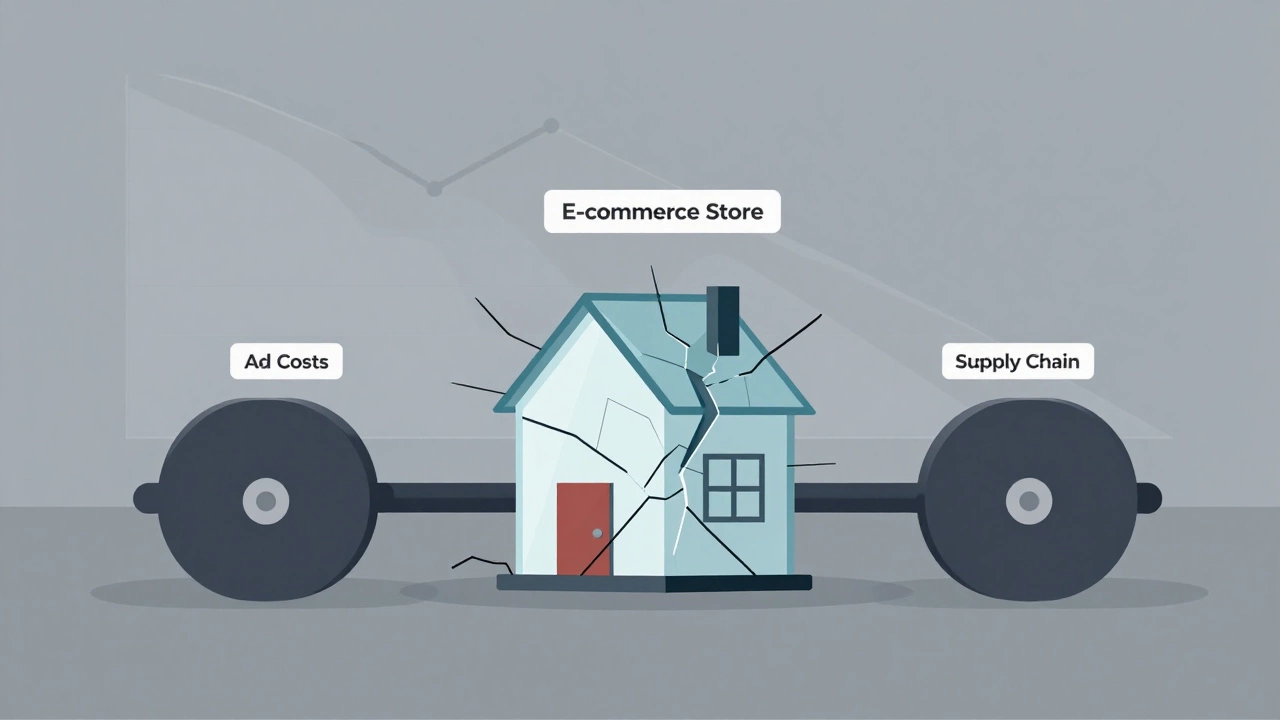
In 2026, the barrier to entry has never been lower. You can launch a Shopify store in an afternoon. But the barrier to profit has never been higher. With global competition and rising ad costs, simply having a website isn't enough. You need a strategy that works against algorithms, changing consumer habits, and supply chain realities.
The Reality Check: Why Most Stores Fail
Let’s look at the numbers before we talk about strategies. According to data from major platforms like Shopify and WooCommerce, roughly 90% of online stores fail within their first year. That statistic alone should make you pause. Why does this happen?
Most beginners treat e-commerce like a lottery ticket. They pick a trendy product-maybe a fidget spinner or a viral kitchen gadget-and hope for the best. They don’t understand unit economics. They don’t know how much they are spending to acquire a customer versus how much that customer spends. If you spend $50 in ads to sell a $40 item, you are losing money with every sale. This is the most common trap.
Another major reason for failure is lack of differentiation. If you are selling the same phone case as ten thousand other sellers on Amazon, why would anyone buy from you? Without a unique value proposition, you end up in a price war where margins vanish quickly.
Business Models: Which One Fits Your Budget?
There is no single way to run an online store. Different models offer different levels of difficulty and potential profit. Choosing the right one depends on your capital and risk tolerance.
| Model | Startup Cost | Profit Margin | Difficulty Level |
|---|---|---|---|
| Dropshipping involves selling products without holding inventory. A third party ships directly to the customer. | Low ($100-$500) | Low (10-20%) | Medium (High competition) |
| Private Label means creating your own brand by sourcing generic products and adding your branding. | Medium ($1,000-$5,000) | High (30-50%) | High (Requires marketing skill) |
| Wholesale involves buying bulk quantities from manufacturers and reselling them under their brand. | High ($5,000+) | Medium (20-30%) | Low (Established brands help) |
| Digital Products include downloadable files like ebooks, courses, or templates. No physical shipping is required. | Very Low ($0-$100) | Very High (80-90%) | Medium (Requires audience building) |
Dropshipping is often marketed as the easiest path because you don't need to buy inventory upfront. However, the low barrier to entry means everyone is doing it. Margins are thin, and you have little control over shipping times or product quality. Private labeling offers better margins but requires more upfront investment and deeper knowledge of branding and logistics.
The Three Pillars of Profitability
If you want to survive past the first year, you need to master three core areas. These are non-negotiable.
1. Product-Market Fit
You cannot force a product to sell. You need to find something people actually want. This isn't about guessing; it's about research. Use tools like Google Trends, Amazon Best Sellers, or social media listening tools to identify gaps. Are there complaints about existing solutions? Can you solve a specific problem better than others? For example, instead of selling general yoga mats, consider selling eco-friendly mats specifically designed for hot yoga practitioners who sweat heavily. Specificity sells.
2. Customer Acquisition
Having a beautiful website means nothing if no one visits it. In 2026, paid advertising on platforms like Meta (Facebook/Instagram) and TikTok is expensive. Click-through rates are down, and cost-per-click is up. Relying solely on paid ads is risky. You need a mix of channels:
- Organic Social Content: Short-form video content on TikTok and Instagram Reels can drive massive traffic for free if it goes viral.
- Search Engine Optimization (SEO): Writing helpful blog posts that answer customer questions brings in long-term, free traffic.
- Email Marketing: This remains one of the highest ROI channels. Collecting emails allows you to sell to the same person multiple times without paying for ads again.
3. Retention and Lifetime Value
Making the first sale is hard. Making the second sale is easier and more profitable. Focus on increasing the Customer Lifetime Value (LTV). How? By offering excellent customer service, creating unboxing experiences that encourage social sharing, and sending personalized follow-up emails. If a customer buys from you once, aim to get them to buy three times. This reduces your reliance on constant new customer acquisition.

Common Pitfalls to Avoid
Many entrepreneurs lose money not because their idea was bad, but because they ignored basic operational details.
Ignoring Cash Flow: Even if you are profitable on paper, you can go bankrupt if you run out of cash. If you have to pay suppliers 30 days before you get paid by customers, you need a buffer. Always keep at least three months of operating expenses in the bank.
Poor Website User Experience: If your site loads slowly or is confusing on mobile devices, visitors will leave immediately. Over 70% of e-commerce traffic comes from mobile phones. Ensure your checkout process is seamless. Remove unnecessary steps. Offer guest checkout. Every extra click increases the chance of cart abandonment.
Neglecting Legal Compliance: Depending on where you live and where you sell, you need to handle taxes correctly. In the UK and EU, VAT rules for digital services and physical goods have become stricter. Failing to comply can lead to hefty fines. Consult with an accountant early on.
Is It Worth It? The Verdict
So, is it easy to make money on e-commerce? No. Is it possible? Absolutely. Thousands of small businesses thrive online every day. The difference between those who succeed and those who fail usually comes down to patience and adaptability.
Success in 2026 requires treating your store like a real business, not a side hustle. It demands continuous learning about marketing trends, technology updates, and customer psychology. If you are willing to put in the work, test hypotheses, and iterate based on data, you can build a sustainable income stream. But expect the first six months to be a learning curve filled with mistakes. Embrace them. They are tuition fees for your education.
How much money do I need to start an e-commerce business?
You can start with as little as $100-$500 if you choose dropshipping or digital products. However, for private label or wholesale models, you should budget between $1,000 and $5,000 to cover inventory, branding, and initial marketing campaigns.
What is the most profitable niche in e-commerce right now?
There is no single "best" niche, but high-margin categories often include health and wellness, pet supplies, home organization, and specialized hobby gear. The key is finding a sub-niche with passionate buyers rather than competing in broad categories like clothing or electronics.
Can I make money with e-commerce without holding inventory?
Yes, through dropshipping or print-on-demand services. While these models reduce upfront risk, they also offer lower profit margins and less control over shipping speeds and product quality compared to holding your own stock.
How long does it take to see profits from an online store?
Most successful stores take 6 to 12 months to become consistently profitable. Early months are typically spent on testing products, optimizing ads, and building brand awareness. Some may break even sooner, but sustainable growth takes time.
Do I need technical skills to start an e-commerce store?
No, you do not need to know how to code. Platforms like Shopify, Wix, and WooCommerce provide user-friendly interfaces that allow you to set up a store visually. However, basic understanding of SEO and analytics is highly beneficial.