
Is Django a web development framework? Yes, absolutely. But if you're asking that question, you probably want to know Django is more than just a label-it's a full toolkit built to make web development faster, cleaner, and more secure. It doesn’t just help you build websites; it helps you build them right.
What Exactly Is Django?
Django is a high-level Python web framework that lets you build complex, database-driven websites without reinventing the wheel. It was first released in 2005 by Lawrence Journal-World, the newspaper behind the popular news site LJWorld.com. They needed a way to build web apps quickly, so they built Django from scratch. Today, it powers everything from Instagram’s backend to National Geographic’s content management system.
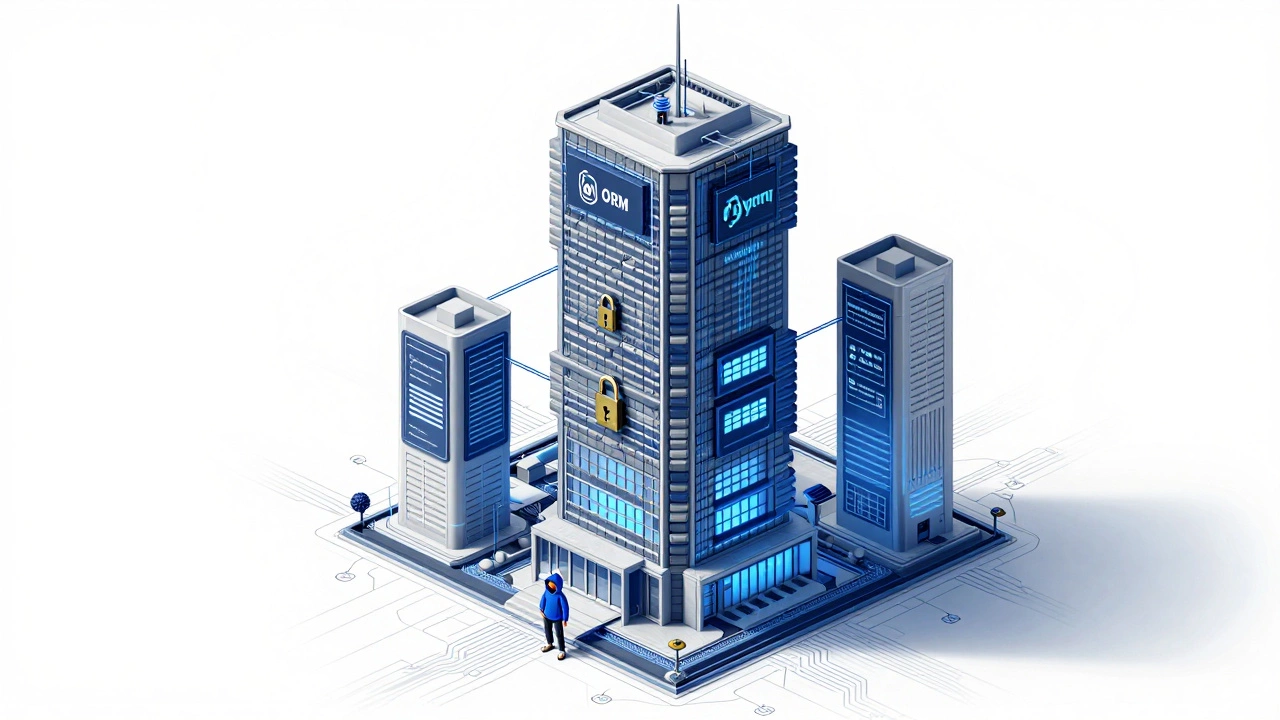
Unlike some frameworks that give you just the basics and leave you to figure out the rest, Django comes with almost everything you need out of the box. Think of it like a fully stocked kitchen-you don’t have to buy a fridge, stove, or sink separately. Django includes an ORM (Object-Relational Mapper), authentication system, URL routing, admin panel, templating engine, and even built-in security features like protection against CSRF and SQL injection.
Why Django Stands Out from Other Frameworks
There are plenty of web frameworks out there-Flask, FastAPI, Ruby on Rails, Express.js. So why pick Django?
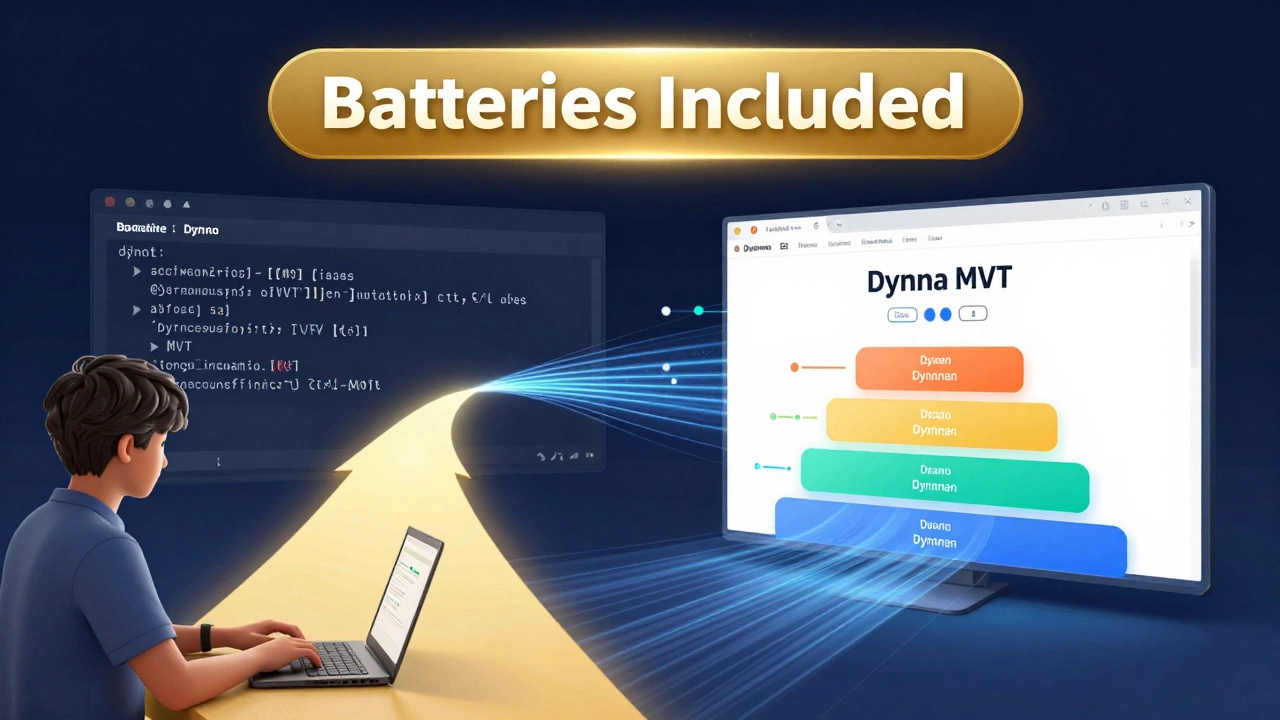
One big reason is its "batteries-included" philosophy. Flask, for example, is minimal. You start with a blank slate and add libraries as you need them. That gives you control, but it also means more setup time. Django, on the other hand, gives you a complete system. You can create a user registration system, login page, password reset, and admin dashboard in under an hour-no extra packages needed.
Another advantage is scalability. Django handles high traffic well. Instagram runs on Django and serves over a billion daily requests. That’s not a fluke. Django’s architecture is built for performance, with support for caching, asynchronous views (since version 3.1), and efficient database queries.
How Django Works Under the Hood
Django follows the Model-View-Template (MVT) pattern, which is similar to MVC but with a twist. Here’s how it breaks down:
- Model: This is your data layer. Django’s ORM lets you define database tables using Python code instead of writing SQL. You create a class like
class Article(models.Model):, and Django handles the database creation and queries. - View: This is where your logic lives. A view receives a web request, pulls data from the model, and decides what to send back. It’s not just a function-it’s a Python function or class that processes the request.
- Template: This is your HTML with dynamic placeholders. Django’s templating language lets you insert variables, loop through lists, and conditionally show content. It’s simple, readable, and doesn’t require JavaScript.
You don’t need to know SQL to use Django. You write Python, and Django translates it into the right database commands. That makes it ideal for developers who are more comfortable with Python than with raw database queries.
Real-World Examples of Django in Action
Django isn’t just for startups or side projects. Big companies rely on it because it’s reliable and secure.
- Instagram: The entire backend of Instagram runs on Django. From posting photos to handling comments and direct messages, Django manages it all.
- Spotify: Uses Django for parts of its internal tooling and data dashboards.
- Mozilla: The Firefox add-ons site is built with Django.
- The Washington Post: Uses Django for its content management system.
- Disqus: The comment platform that powers millions of blogs runs on Django.
These aren’t hobby projects. These are production systems handling millions of users. If Django can handle Instagram’s scale, it can handle your project too.
Who Should Use Django?
Django is perfect if you:
- Want to build content-heavy websites (blogs, news sites, forums)
- Need user authentication and permissions built in
- Plan to grow your app over time
- Prefer Python over JavaScript for backend logic
- Want to ship features fast without spending weeks setting up infrastructure
If you’re building a simple static site or a real-time chat app with heavy WebSocket use, Django might be overkill. For those cases, tools like Next.js or FastAPI might be better. But if you’re building anything with users, data, and content-Django is a top choice.
What You Need to Get Started
Getting started with Django is straightforward:
- Install Python (version 3.8 or higher)
- Run
pip install django - Create a new project with
django-admin startproject mysite - Start the development server with
python manage.py runserver - Open your browser to
http://127.0.0.1:8000
You’ll see the default Django welcome page. From there, you can create your first model, set up a URL route, and build a view. The official Django tutorial walks you through building a poll app in under an hour. It’s one of the best onboarding experiences in web development.
Django vs Flask: Which One Should You Choose?
People often compare Django and Flask. Here’s the quick breakdown:
| Feature | Django | Flask |
|---|---|---|
| Learning Curve | Steeper at first, but faster long-term | Lighter, easier to start |
| Built-in Features | Admin panel, ORM, auth, forms, templating | Minimal-add extensions as needed |
| Best For | Full-featured apps, content sites, user systems | APIs, microservices, lightweight apps |
| Performance | Good, scales well | Faster for simple tasks |
| Community Size | Large, mature ecosystem | Active, but smaller |
If you’re unsure, go with Django. It’s harder to go wrong with it. Flask gives you freedom, but you’ll likely end up installing Django-like tools anyway-like Flask-Login, Flask-SQLAlchemy, Flask-WTF. Why not start with all that built in?
Common Misconceptions About Django
There are a few myths floating around:
- "Django is slow." False. It’s not the fastest framework, but it’s fast enough. Instagram handles billions of requests. Speed comes from architecture, not the framework alone.
- "Django is only for beginners." No. Many senior developers use Django because it reduces boilerplate and lets them focus on business logic.
- "You need to know JavaScript to use Django." Not true. Django handles the backend. You can build entire sites with just HTML, CSS, and Python. JavaScript is optional for interactivity.
What’s Next After Learning Django?
Once you’re comfortable with Django, you’ll naturally move into:
- REST APIs using Django REST Framework
- Deploying apps with Docker and Gunicorn
- Using PostgreSQL or MySQL for production databases
- Integrating with frontend frameworks like React or Vue.js
- Working with Celery for background tasks
Django doesn’t lock you in. It’s a solid foundation that grows with you.
Is Django a programming language?
No, Django is not a programming language. It’s a web framework built using Python. Think of it like a set of tools and rules that help you build websites in Python. You write Python code, and Django provides the structure to turn that code into a working website.
Is Django good for beginners?
Yes, Django is one of the best frameworks for beginners who already know Python. It removes a lot of the guesswork-like how to handle users, protect forms, or connect to a database. The official tutorial is clear, well-written, and gets you building real features quickly. If you’re new to web dev, starting with Django means you’ll learn solid habits from day one.
Can Django be used for APIs?
Absolutely. Django has a powerful extension called Django REST Framework (DRF) that makes building RESTful APIs easy. You can create endpoints that return JSON data, handle authentication, and support pagination-all with minimal code. Many companies use Django + DRF to power mobile apps and single-page applications.
Does Django support databases other than PostgreSQL?
Yes. Django supports PostgreSQL, MySQL, SQLite, and Oracle out of the box. SQLite is fine for development and small sites. For production, most teams use PostgreSQL because of its reliability and advanced features. MySQL is also common, especially in shared hosting environments.
Is Django still relevant in 2026?
Yes, more than ever. Django 5.0 was released in late 2025 with improved async support, better type hints, and enhanced security features. It’s actively maintained by a large team and backed by the Django Software Foundation. With over 10 million downloads per month and continued adoption by major companies, Django remains one of the most reliable choices for web development today.
Final Thoughts
Django isn’t just a framework-it’s a way of building web apps that prioritizes productivity, security, and scalability. If you’re starting out and want to build something real without getting lost in configuration, Django gives you a clear path. You don’t need to be an expert to get started. You just need to write Python, and Django will handle the rest.