

Domain Purchase Safety Checklist
Buying a domain legally requires more than just paying a fee. Use this tool to track your progress through the critical verification and security steps outlined in our guide.
Step-by-Step Verification
-
Searched USPTO/EUIPO databases for conflicts.
-
Selected an ICANN-accredited provider (e.g., GoDaddy, Namecheap).
-
Created separate inbox and enabled Two-Factor Authentication.
-
Hid personal details from public records.
-
Prevented accidental or malicious domain transfers.
-
Archived emails and payment receipts as proof of purchase.
Ready to Start
Check off each step as you complete it to assess your legal readiness.
Buying a domain name feels simple until you realize the legal minefield underneath. One wrong click can leave you with a name that’s technically yours but legally contested by a brand owner three years down the line. The good news? With the right steps, you can secure a domain name that is clean, transferable, and free from future headaches.
This guide walks you through the exact process of purchasing a domain legally in 2026. We’ll cover how to verify ownership rights, choose the right registrar, and avoid the common traps that catch off even experienced web developers. Whether you’re launching a startup or buying an asset for investment, these steps will keep your registration bulletproof.
Key Takeaways
- Check trademarks first: Always search the USPTO (US) or EUIPO (EU) databases before registering to avoid infringement claims.
- Use accredited registrars only: Stick to ICANN-accredited providers to ensure your rights are recognized globally.
- Enable privacy protection: This hides your personal details from public WHOIS records, reducing spam and legal targeting.
- Lock your account: Enable transfer locks immediately after purchase to prevent accidental hijacking.
- Keep records: Save confirmation emails and payment receipts; they are your primary proof of legitimate acquisition.
Understanding the Legal Framework of Domains
A domain name isn’t “owned” in the same way you own a house or a car. It’s a lease. You pay an annual fee to a Domain Registrar is an organization accredited by ICANN to sell domain names to the public. The ultimate authority here is ICANN is the Internet Corporation for Assigned Names and Numbers, which oversees global domain name system policies.
When you buy a domain, you are entering into a contract with the registrar. That contract grants you exclusive use rights for the duration of your payment. However, these rights are subject to international law, particularly regarding trademarks. If you register a name that matches a registered trademark without permission, you risk losing it through the Uniform Domain-Name Dispute-Resolution Policy (UDRP). This is why the legal side matters more than just finding the cheapest price.
Step 1: Verify Trademark Availability
Before you type anything into a search bar, you need to do your homework. If you’re planning to operate in the US, check the United States Patent and Trademark Office (USPTO) database. For European markets, look at the European Union Intellectual Property Office (EUIPO). These databases show if a logo, name, or phrase is already protected.
Here’s a practical example: Let’s say you want to buy "BlueSkyTech.com". A quick search reveals a small software company in Austin has held the "BlueSky" trademark since 2018. Even if their tech differs from yours, the similarity could trigger a dispute later. To stay safe, either pick a distinct name or seek legal advice if the overlap seems minor.
- Search the relevant trademark database for your desired name.
- Note any active registrations in classes similar to your business.
- If unsure, consult an IP attorney for a quick opinion.
- Document your research findings for future reference.
Step 2: Choose an ICANN-Accredited Registrar
Not all websites selling domains are created equal. Some are resellers who charge extra fees and offer poor support. Others are direct partners with ICANN. Using an accredited registrar ensures your registration is valid on the global registry level.
Popular options like GoDaddy, Namecheap, and Cloudflare Registrar are all accredited. When comparing them, look beyond price. Check their customer support reputation, ease of transfer, and whether they offer free SSL certificates or DNS management tools. A slightly higher upfront cost often pays off in better stability and fewer hidden fees during renewal.
| Registrar | ICANN Accredited | Free WHOIS Privacy | Transfer Lock Feature | Best For |
|---|---|---|---|---|
| Cloudflare Registrar | Yes | Yes | Yes | Technical users seeking low cost |
| Namecheap | Yes | Yes | Yes | Small businesses and beginners |
| GoDaddy | Yes | Paid Add-on | Yes | Users wanting integrated hosting solutions |
Step 3: Execute the Purchase Correctly
Once you’ve picked your registrar and verified the name, it’s time to buy. But don’t just hit “Buy” and walk away. There are specific actions you should take immediately to secure your legal standing.
First, create a dedicated email address for this domain. Using your personal Gmail or Outlook account ties your identity too closely to the asset. A separate inbox keeps records organized. Second, enable two-factor authentication (2FA) on your registrar account. Most domain hijacks happen not because of legal loopholes, but because someone guessed your password.
Finally, review the terms of service. While few people read them, they contain the rules for renewal, auto-renewal, and dispute resolution. Knowing what you agreed to makes it easier to defend your position if issues arise.
Step 4: Secure Your Registration with Privacy and Locks
After purchase, you have two critical settings to toggle. The first is WHOIS Privacy Protection. By default, your name, address, and phone number appear in the public WHOIS database. This data is scraped by spammers and, occasionally, by litigious entities looking for targets. Enabling privacy protection replaces your details with those of a proxy service, keeping your personal info off the record.
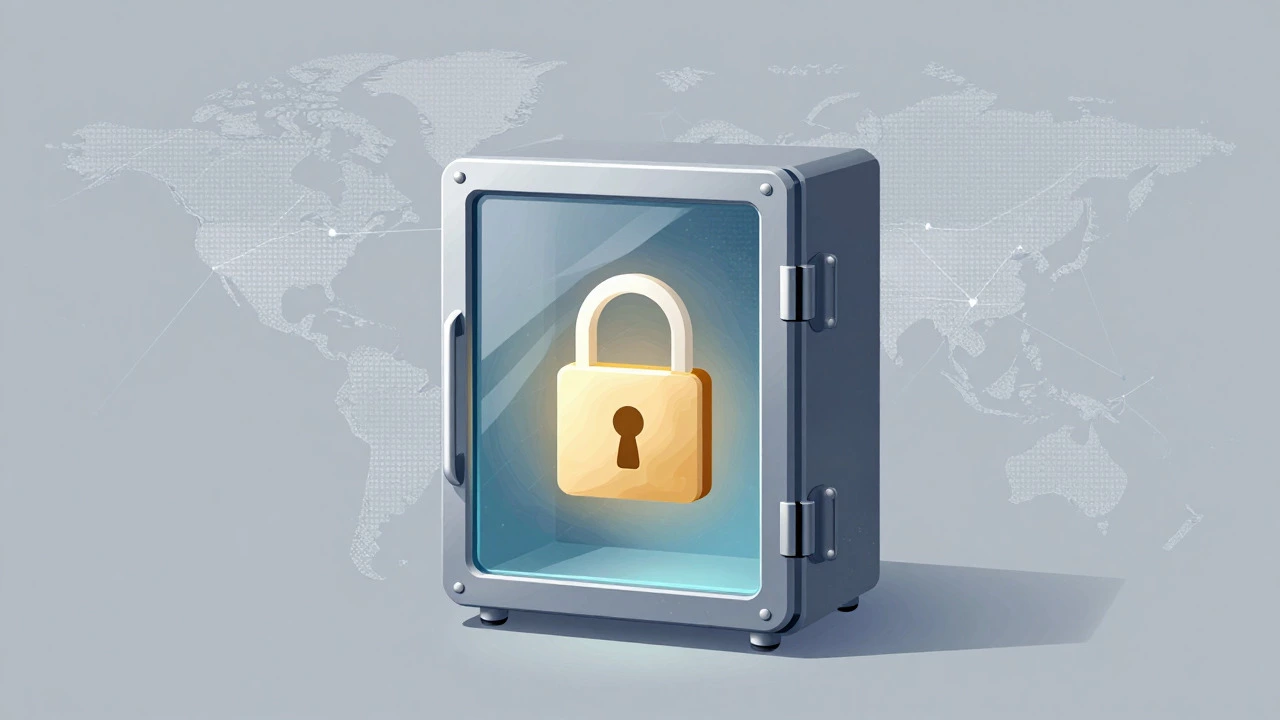
The second setting is the Transfer Lock. This prevents anyone-including you-from moving the domain to another registrar without unlocking it first. It acts as a safety net against accidental clicks or malicious attempts to hijack your site. Both features are usually free or included in the base package, so there’s no reason to skip them.

Common Pitfalls to Avoid
Even with the right steps, mistakes happen. Here are the most common ways people end up in legal trouble with their domains:
- Buying expired domains blindly: Expired domains might have existing backlinks or content that references old owners. Check the Wayback Machine to see what was there before.
- Ignoring renewal dates: Set calendar reminders for renewals. Losing a domain due to non-payment is a legal nightmare to recover.
- Using descriptive names without checking: Words like "Fast" or "Secure" might be trademarked in specific industries. Context matters.
- Failing to update contact info: If you change your email or phone number, update your registrar profile immediately. Outdated contacts mean missed renewal notices.
What If You Lose Your Domain?
Sometimes, despite best efforts, a domain gets lost or disputed. If you lose it due to non-payment, you typically have a grace period of 30 to 45 days to recover it for a fee. After that, it drops back into the public pool, where anyone can grab it.
If you lose it via a UDRP claim, the process is different. You’ll receive a notice from the World Intellectual Property Organization (WIPO). You have 20 days to respond. Failing to respond means you automatically lose the case. Always keep your contact information current so you never miss these deadlines.
Frequently Asked Questions
Do I need a lawyer to buy a domain name?
No, for most standard purchases, a lawyer isn't necessary. However, if you are buying a premium domain, acquiring a brand name, or operating in a highly regulated industry, consulting an IP attorney is wise. They can help you assess trademark risks before you spend money.
Is my domain name really mine forever?
Technically, no. You hold a license to use the name for as long as you pay the annual fee. If you stop paying, the registrar can cancel the registration. Think of it like renting an apartment rather than owning a house. As long as you maintain the lease (payment), you have exclusive rights.
What happens if I forget to renew my domain?
Most registrars give you a grace period, usually around 30 days, during which you can still renew at the normal price. After that, the domain enters a redemption phase where recovery costs significantly more (often $100-$200). Eventually, it drops back into the open market for anyone to buy.
Can I buy a domain that sounds like a famous brand?
It depends. If the name is confusingly similar to a registered trademark in your industry, you risk a UDRP complaint. For example, buying "CocaColaDrinks.com" would likely get you sued. But buying "CokeLoversForum.com" might be safer if you're not selling products. Always check the trademark database to gauge the risk.
Why should I use WHOIS privacy protection?
WHOIS privacy hides your personal contact details from the public registry. Without it, spammers, marketers, and potential legal adversaries can easily find your home address and phone number. It adds a layer of security and reduces unwanted solicitations, making it a best practice for almost all domain owners.