
How long does it take a freelance web developer to build a website? The answer isn’t a single number. It depends on what kind of website you want, how much you’re willing to spend, and how much you’ve planned ahead. A simple one-page site might be done in a weekend. A full online store with custom features could take months. There’s no magic formula, but there are clear patterns based on real projects.
Simple Brochure Website: 1-2 Weeks
If you’re a local plumber, a small bakery, or a freelance photographer with a few services to show, you probably just need a basic website. Five pages: Home, About, Services, Portfolio, Contact. No login system. No shopping cart. Just clean design and clear info.
This kind of site usually takes a freelance developer 1 to 2 weeks. Why so fast? They use pre-built themes, reuse code from past projects, and don’t need to write complex logic. Most of the time is spent on content gathering - getting your photos, text, and business hours. The actual coding? Often under 20 hours.
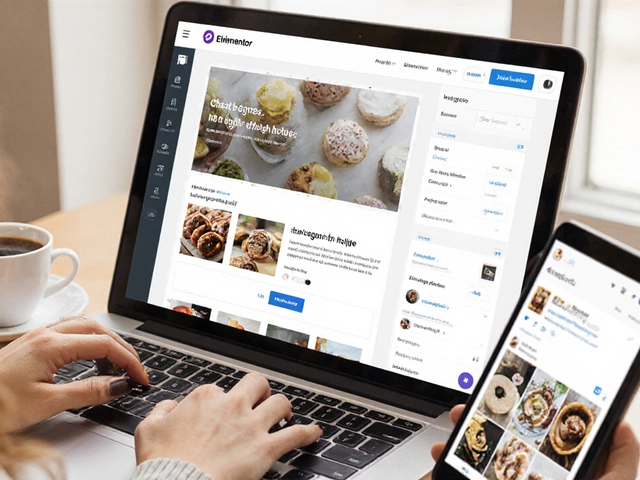
Many freelancers use WordPress with Elementor or Divi for these projects. It’s fast, reliable, and clients can update it themselves later. If you’re okay with a template-based look and don’t need unique animations or custom forms, this is the quickest route.
Medium-Sized Business Site: 3-6 Weeks
Now imagine you run a small agency. You need a blog, a client portal, a contact form with file uploads, and maybe a pricing table with dynamic filters. You want mobile responsiveness, fast loading, and SEO-friendly structure. You’re not selling products, but you need to convert visitors into leads.
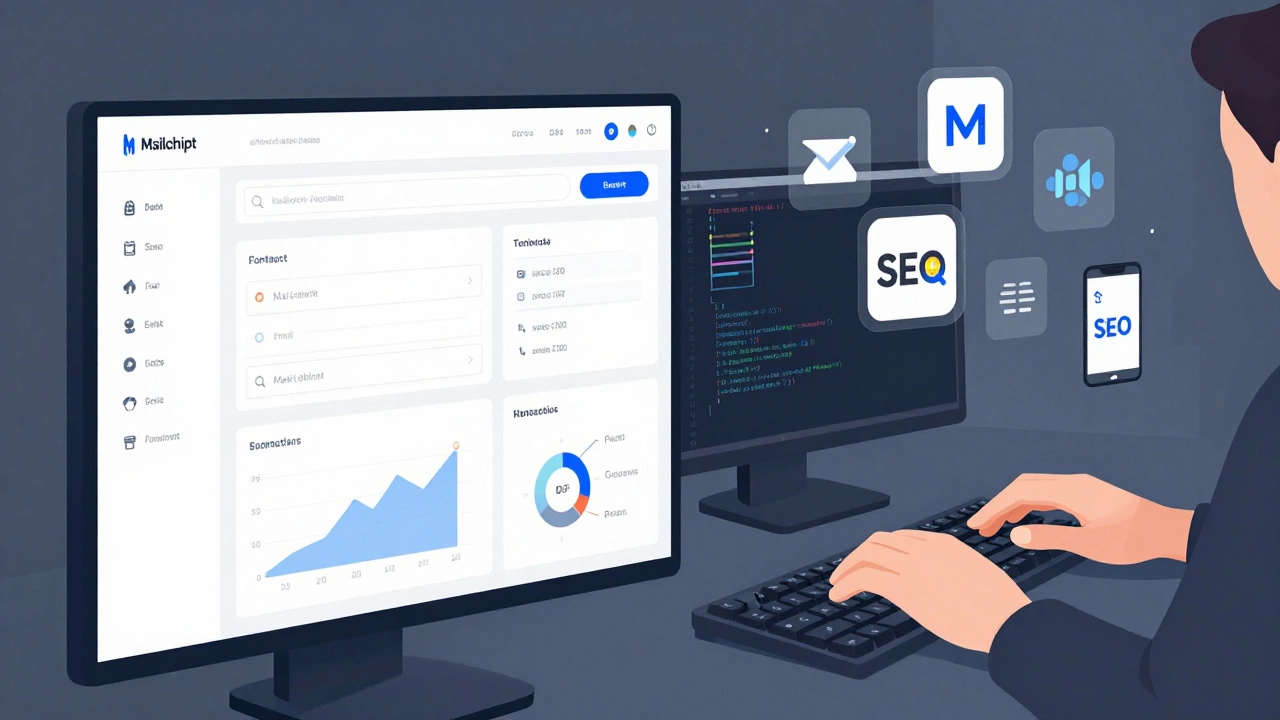
This is where things get more involved. Development time jumps to 3 to 6 weeks. The developer now has to write custom code for forms, integrate with email marketing tools like Mailchimp, set up analytics tracking, and optimize for speed. They might use a custom WordPress theme or a lightweight framework like Laravel or Astro.
One common delay? Client feedback. If you take a week to reply to design drafts or keep changing your mind about colors and layout, the timeline stretches. That’s why good freelancers ask for all content upfront and lock in design approvals early.
Ecommerce Website: 6-12 Weeks
Building an online store is a whole different ballgame. You’re not just showing products - you’re handling payments, inventory, shipping rules, tax calculations, user accounts, and returns. A basic Shopify store with 20 products might be done in 4-6 weeks. But if you need custom product filters, multi-currency support, subscription billing, or integration with your ERP system, expect 6 to 12 weeks.
Freelancers often choose between Shopify (easier, faster) and WooCommerce (more control, more work). Shopify is great if you want to launch quickly and don’t need deep customization. WooCommerce gives you full ownership but requires more setup - plugins, security hardening, performance tuning.
One thing clients underestimate: product data entry. If you have 100 products with 5 images each, 3 descriptions, and custom attributes, that’s 500+ data points. Inputting that manually takes hours. Many freelancers charge extra for this or ask clients to provide spreadsheets.
Custom Web App: 3-6 Months
What if your website isn’t just a website? What if it’s a booking system for yoga studios, a dashboard for tracking fitness clients, or a collaborative tool for remote teams? Then you’re not building a site - you’re building a web app.
These projects take 3 to 6 months. They require backend development, databases, user authentication, real-time features, and API integrations. A freelance developer might work with a designer and a QA tester. They’ll use frameworks like React, Node.js, or Django. Testing alone can take weeks - fixing bugs, checking edge cases, making sure it works on old browsers and mobile devices.
One real example: a freelance dev in Leeds built a booking system for 12 local physiotherapists. It had calendar sync, automated SMS reminders, payment processing, and admin analytics. Total time: 14 weeks. Why so long? Because each therapist had different availability rules, and the system had to handle overlapping bookings without double-booking. That kind of logic doesn’t come from a template.
What Slows Things Down?
Even the best freelancers can’t work miracles if the project is poorly defined. Here are the top three reasons websites take longer than expected:
- Scope creep - You start with a contact form, then add a blog, then a membership area, then a forum. Each new feature adds time. Always define the core features before signing a contract.
- Content delays - Waiting for photos, product descriptions, or logo files holds up the entire process. Freelancers can’t code around missing content.
- Feedback loops - If you take 5 days to reply to every design mockup, the project drags. Set clear deadlines for reviews.
Good freelancers will ask you for a project brief upfront. If they don’t, that’s a red flag. A clear brief includes: goals, target audience, must-have features, examples of sites you like, and a deadline.

How to Speed Up the Process
You can cut weeks off the timeline if you prepare. Here’s how:
- Write all your text before hiring a developer. Use Google Docs. Don’t wait for them to "help with content" - that’s extra work.
- Gather all images in one folder. High-res, properly named. No blurry phone pics.
- Choose a color scheme and fonts ahead of time. Use Coolors.co or Adobe Color to pick palettes.
- Decide on your domain name and hosting. Buy it yourself. Don’t make your developer handle it.
- Set weekly check-ins - not daily. One 15-minute call a week keeps things on track without micromanaging.
One client I worked with in Leeds had all this ready. We built their 8-page website in 9 days. They didn’t have to chase anything. That’s the difference between a rushed project and a smooth one.
What’s the Average Cost? (And Why It Matters)
Time and cost are linked. A simple site might cost £500-£1,500. A medium site: £2,000-£5,000. An ecommerce store: £4,000-£12,000. Custom apps: £10,000+
Why does this matter? Because if you’re paying £20/hour, you’re likely getting a beginner. If you’re paying £75+/hour, you’re hiring someone with experience, a workflow, and tools to deliver faster. Cheap doesn’t mean fast - it often means more revisions, missed deadlines, and hidden costs.
Freelancers who charge less often use templates and copy-paste code. They don’t optimize for speed or SEO. That might save you money upfront, but you’ll pay more later in lost traffic or fixing broken features.
Final Answer: It Depends - But Here’s a Rule of Thumb
There’s no one-size-fits-all timeline. But here’s a simple way to estimate:
- 1-2 weeks - Static site (5 pages or less, no database)
- 3-6 weeks - Dynamic site (forms, blog, CMS)
- 6-12 weeks - Online store (products, payments, inventory)
- 3-6 months - Web app (custom logic, user accounts, APIs)
Remember: the goal isn’t speed. It’s a website that works, looks professional, and helps you grow. Rushing it leads to mistakes. Planning ahead saves time in the long run.
Can a freelance web developer build a website in a week?
Yes, but only for very simple sites - like a one-page landing page or a basic 5-page brochure site with no database, no login, and no e-commerce. If you need custom features, forms, or content management, a week is too tight. Most developers won’t guarantee quality under that timeline.
Do I need to hire a designer too?
Not always. Many freelance web developers handle both design and development, especially for small to medium sites. They use templates and tools like Figma or Canva to create layouts. But if you need a unique brand identity, custom illustrations, or complex user flows, hiring a dedicated UI/UX designer saves time and improves results.
Is WordPress slower than custom code?
Not necessarily. WordPress can be just as fast as custom code if it’s built right - with a lightweight theme, minimal plugins, and good hosting. Many high-traffic sites run on WordPress. The problem comes when people install 20 plugins, use bloated themes, and ignore caching. A skilled developer can make WordPress faster than a poorly coded custom site.
What’s the biggest mistake people make when hiring a freelance web developer?
Waiting until the last minute to start. People think they can hire someone, give vague ideas, and get a website in 2 weeks. That rarely works. The biggest mistake is not planning ahead - not having content ready, not knowing what features they need, or expecting the developer to guess their vision. Clear communication upfront cuts the timeline in half.
Should I choose a local freelance developer?
It helps, but it’s not required. Local developers in Leeds might understand your market better - like local SEO or regional regulations. But many great freelancers work remotely and deliver excellent results. What matters more is their portfolio, communication style, and how they handle revisions. Time zone differences can be managed with clear scheduling.