

Remote Web Developer Readiness Calculator
Evaluate your current status to see if you are ready for a fully remote role.
Your Result
Fill out the form to see your remote work readiness score.
You’ve spent months grinding through tutorials, building your first portfolio site, and maybe even finishing a web development course that promised you the world. Now comes the big question: can you actually do this job from your kitchen table? The short answer is yes. The long answer involves some strategy, because "working from home" in tech isn't just about having a laptop and Wi-Fi. It’s about understanding how the industry has shifted since 2020.
In 2026, remote work for developers is standard, not an exception. But it’s not a free-for-all. Companies are smarter now. They know that throwing someone into a Slack channel doesn’t make them productive. If you want to code from home, you need to prove you can communicate, collaborate, and ship code without a manager standing over your shoulder. Here is exactly how to make that happen, whether you’re aiming for a full-time role or starting as a freelancer.
The Current State of Remote Web Development
Let’s look at the numbers. According to recent data from platforms like LinkedIn and Indeed, nearly 70% of junior to mid-level web developer roles list "remote" or "hybrid" as an option. This is a massive shift from five years ago, when most entry-level jobs required you to be in an office to "learn the ropes."
However, there is a catch. While senior roles are heavily remote, entry-level positions are becoming more competitive. Why? Because anyone with internet access can apply. A job posting in London might get applications from candidates in Leeds, Liverpool, and Lagos. To stand out, you can’t just show up; you have to show value immediately.
The industry has split into three main remote models:
- Fully Remote: You never go to an office. Common in startups and global tech firms.
- Hybrid: You work from home 3-4 days a week but attend office meetings once a week. Popular in established agencies.
- Freelance/Contract: You find clients directly. Total freedom, but no guaranteed income.
For beginners, fully remote roles are harder to land because companies worry about retention and communication skills. Hybrid roles often serve as a better stepping stone.
Skills That Matter More Than Code
If you think remote work is just about writing clean JavaScript or perfecting your CSS grid layouts, you’re missing half the battle. In a remote environment, your technical skills get your foot in the door, but your soft skills keep you employed.
When you’re sitting next to a colleague, they can see you struggling with a bug. They can tap your shoulder and ask, "Need help?" At home, if you struggle for four hours, nobody knows until you update your ticket status. This means asynchronous communication is the ability to convey complex ideas clearly through text without immediate feedback.
Here are the non-negotiable skills for remote success:
- Written Communication: Can you explain why a feature broke in a clear, concise Slack message? Can you write documentation that others can understand?
- Self-Discipline: No one is watching your screen. You need to manage your own time using tools like Trello, Jira, or Asana.
- Proactive Problem Solving: Don’t wait to be told what to do. Identify blockers early and propose solutions.
Employers hire remote developers who reduce friction, not create it. If you’re easy to work with across time zones, you’ll always have a job.
Building a Portfolio That Gets Hired Remotely
Your portfolio is your resume. In a remote context, it needs to do more heavy lifting. Since interviewers can’t judge your vibe in person, they judge your code quality and project management skills through your GitHub and live demos.
Avoid generic projects like "To-Do Apps" or "Weather Dashboards" unless you add a unique twist. Instead, build projects that solve real problems. For example, instead of a basic blog, build a content management system with user authentication and database integration. Show that you understand the full stack, even if you specialize in frontend.
Include these elements in every project:
- Live Demo Link: Hosted on Vercel, Netlify, or GitHub Pages. Broken links are instant rejections.
- Clean README.md: Explain how to install, run, and test the code. Treat it like professional documentation.
- Commit History: Regular, meaningful commits show consistency. One giant commit titled "final fix" looks suspicious.
If you’re taking web development courses that include capstone projects, treat them as real client work. Add testimonials from instructors or peers if possible.

Where to Find Remote Web Dev Jobs in 2026
General job boards are noisy. To find quality remote roles, you need to go where remote-first companies hang out. Here are the best platforms right now:
| Platform | Best For | Competition Level |
|---|---|---|
| We Work Remotely | Curated remote-only jobs | High |
| Remote OK | Tech-focused listings | Medium |
| FlexJobs | Vetted, scam-free roles | Low (Paid) |
| LinkedIn (Remote Filter) | Networking & direct applications | Very High |
| Toptal | Top-tier freelancers only | Extreme |
Don’t just apply. Network. Join Discord servers, Twitter communities, and local meetups (even virtual ones). Many remote jobs are filled through referrals before they ever hit public job boards. Engage with other developers, share your learning journey, and ask questions. Visibility leads to opportunities.
Setting Up Your Home Office for Success
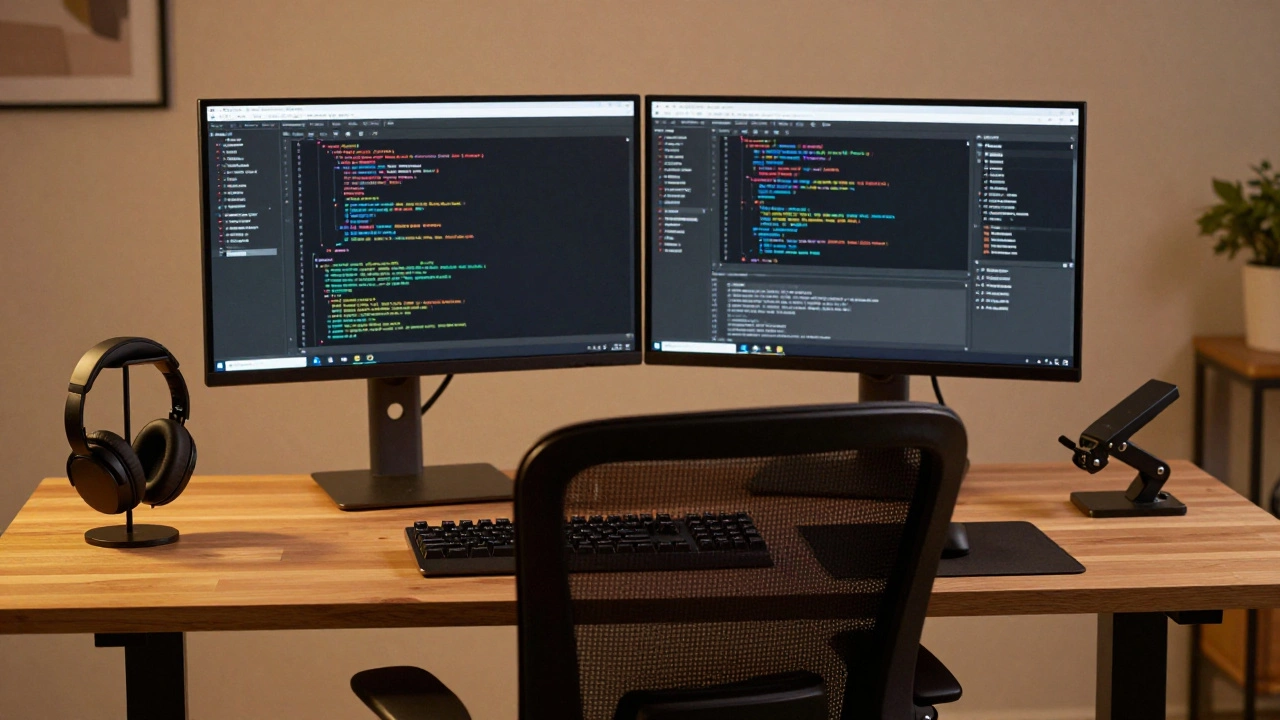
Working from home sounds romantic until you realize you’re working from your bed. Ergonomics matter. Back pain and eye strain are real risks for developers who don’t set up properly.
Invest in these basics:
- Ergonomic Chair: Your back will thank you. Look for lumbar support.
- Standing Desk or Monitor Arm: Alternate between sitting and standing to improve circulation.
- Dual Monitors: Coding efficiency doubles with two screens. Use one for code, one for browser/debugging.
- Noise-Canceling Headphones: Essential for focus, especially if you have roommates or family.
Create a dedicated workspace. Even if it’s just a corner of a room, having a physical boundary helps your brain switch into "work mode" when you sit down and "rest mode" when you leave.
Common Pitfalls to Avoid
New remote developers often fall into traps that hurt their careers. Avoid these mistakes:
1. Overcommunicating vs. Undercommunicating: There’s a balance. Don’t spam the team with updates, but don’t disappear for days either. Set expectations early.
2. Ignoring Time Zones: If you’re working with a team in New York while living in Leeds, respect their core hours. Be available for key meetings, even if it means adjusting your schedule slightly.
3. Neglecting Security: Use strong passwords, enable two-factor authentication, and never commit API keys to public repositories. One security breach can end your career.
4. Stopping Learning: Tech changes fast. React, Vue, Svelte-new frameworks emerge constantly. Dedicate time each week to learn new tools. Employers value curiosity.
Is Freelancing Right for You?
Freelancing offers maximum flexibility but requires business skills. You’re not just a developer; you’re a salesperson, accountant, and customer support agent.
Start small. Take on micro-jobs on Upwork or Fiverr to build reviews. Then, niche down. Specializing in WordPress speed optimization or Shopify customization pays better than being a generalist "web developer." Clients pay for expertise, not just availability.
Keep a buffer fund. Income fluctuates. Aim to save 3-6 months of expenses before going fully freelance.
Do I need a degree to work remotely as a web developer?
No. Most tech companies prioritize skills and portfolio over degrees. Bootcamps, self-taught paths, and certifications are widely accepted. Focus on building real projects that demonstrate your abilities.
How much can a remote web developer earn?
Salaries vary by location and experience. In the UK, junior remote developers earn £25k-£35k, mid-level £40k-£60k, and seniors £70k+. US-based companies may pay higher rates regardless of your location, but tax implications apply.
Is it hard to stay motivated working from home?
It can be. Establish a routine, take regular breaks, and connect with colleagues socially. Virtual coffee chats or online gaming sessions help maintain team bonds and prevent isolation.
What tools do I need for remote collaboration?
Essential tools include Slack or Microsoft Teams for chat, Zoom or Google Meet for video calls, GitHub or GitLab for version control, and Jira or Trello for project management. Familiarity with these is expected.
Can I work remotely if I’m a beginner?
Yes, but it’s challenging. Start with internships, hybrid roles, or freelance gigs to build experience. Demonstrate strong communication skills and a solid portfolio to prove you can work independently.