

Ecommerce Startup Cost & Profit Estimator
Financial Outlook
You don't need a massive bank loan or a venture capital check to launch an online store. Most people think they need thousands of dollars for inventory and fancy branding, but the reality is that the barrier to entry has never been lower. If you have a laptop, an internet connection, and a few dozen dollars, you can actually get a business off the ground this week. The trick isn't having more money; it's choosing a business model that doesn't require you to buy products before you sell them.
Key Takeaways for Budget Startups
- Focus on low budget ecommerce models like dropshipping or print-on-demand to avoid inventory costs.
- Use "freemium" or low-cost platforms to build your storefront.
- Leverage organic social media growth instead of expensive paid ads.
- Start with a hyper-niche product line to reduce competition and marketing spend.
Picking a Lean Business Model
The fastest way to go broke in ecommerce is by buying 500 units of a product you've never sold. To start with little money, you need a model where the supplier handles the heavy lifting. Dropshipping is a retail fulfillment method where a store doesn't keep the products it sells in stock. Instead, when a customer buys something, the store purchases the item from a third party, who ships it directly to the consumer. This means your only real cost is the store setup and marketing.
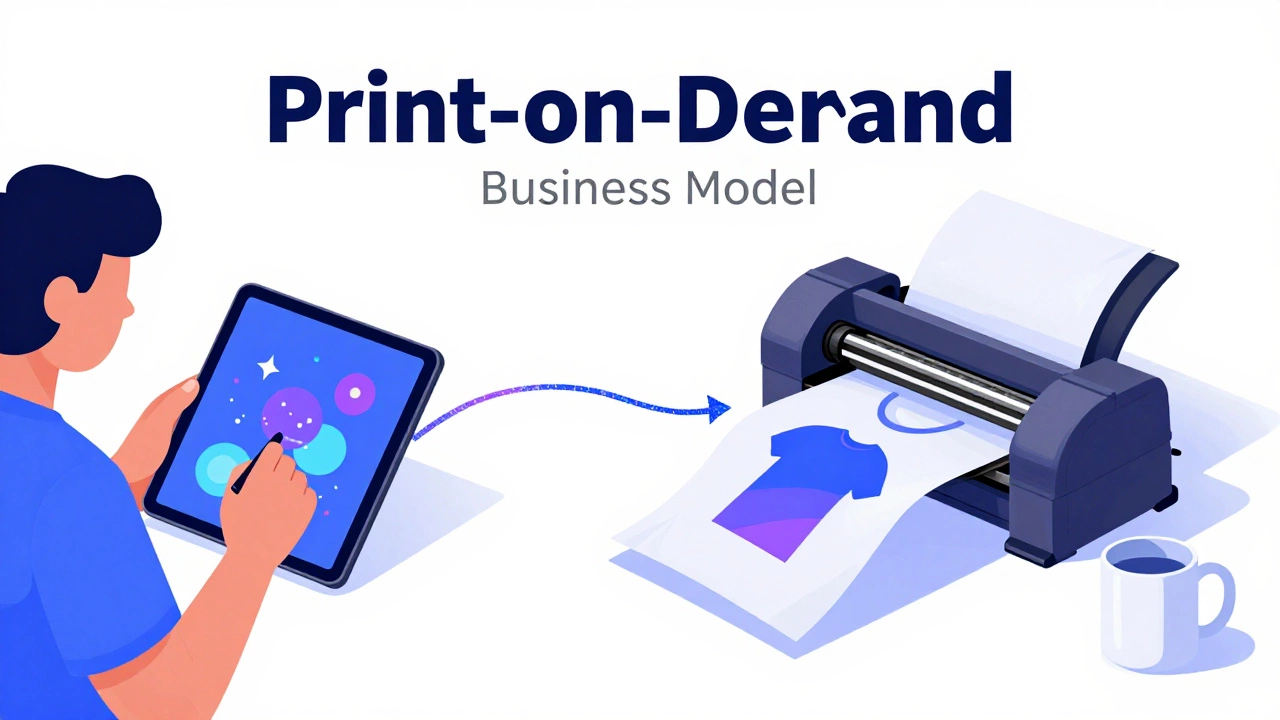
If you're more creative, Print on Demand (POD) is a game-changer. Unlike traditional printing, POD uses digital printing technology to create a product only after an order is placed. You design a t-shirt or a mug, upload it to a platform, and the provider handles the printing and shipping. You never touch the product, and you don't pay for it until your customer pays you.
| Model | Upfront Cost | Risk Level | Profit Margin | Best For |
|---|---|---|---|---|
| Dropshipping | Very Low | Low | Medium | Trending gadgets, home decor |
| Print on Demand | Near Zero | Very Low | Low to Medium | Artists, niche apparel, gifts |
| Handmade (Small Batch) | Low to Medium | Medium | High | Jewelry, skincare, crafts |
Choosing Your Tech Stack Without Breaking the Bank
Don't hire a developer to build a custom site from scratch. That's a waste of money for a beginner. You need an all-in-one platform that handles payments, security, and hosting. Shopify is a complete commerce platform that allows major and emerging brands to design, set up and manage their stores online. While it has a monthly fee, they often run promotions for new users (like $1/month for the first three months) that make it accessible for anyone.
If you already have a WordPress site, adding WooCommerce is a free, open-source ecommerce plugin that turns a WordPress site into a fully functional online store . This is the cheapest route if you are comfortable managing your own Web Hosting, as the plugin itself is free.
Finding a Profitable Niche
When you have a small budget, you cannot compete with Amazon or Walmart. If you try to sell "electronics," you'll be buried. You need to go deep into a niche. Instead of "fitness equipment," try "yoga gear for seniors with arthritis." Instead of "pet supplies," try "organic treats for senior rescue dogs."
How do you know if a niche is good? Look at Google Trends, which provides real-time data on what people are searching for. If you see a steady upward climb in a specific hobby or problem, you've found a goldmine. A tight niche means your marketing is more precise, and your customers are more likely to trust a "specialist" than a general store.
Marketing on a Zero-Dollar Budget
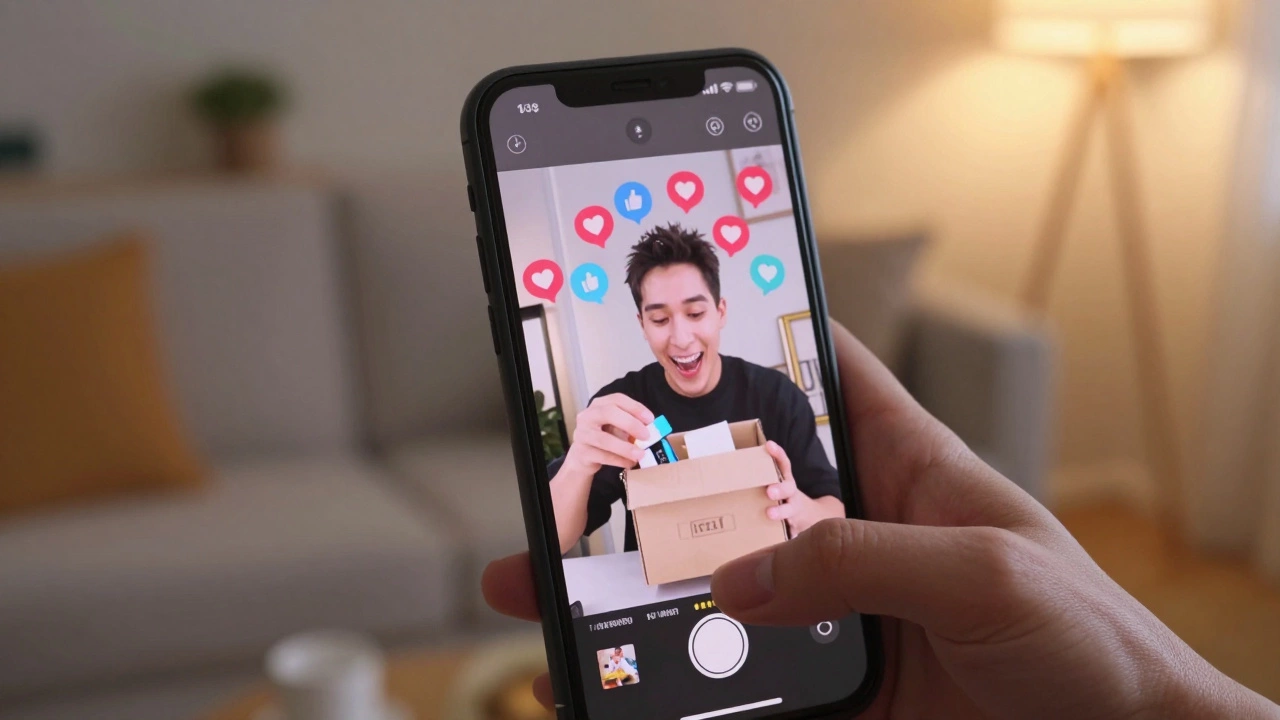
Since you aren't spending thousands on Facebook Ads or Google Ads , you have to trade money for time. This means creating a content engine. Short-form video is currently the most powerful tool for free reach. Platforms like TikTok and Instagram Reels use algorithms that can push your product to millions of people even if you have zero followers, provided the video is engaging.
Another powerful method is User-Generated Content (UGC). Send a few free samples of your product to micro-influencers (people with 2,000 to 10,000 followers). They are often happy to make a video in exchange for the free product. This gives you social proof and a fresh stream of traffic without a massive ad spend.
Avoiding Common Beginner Pitfalls
Many new entrepreneurs make the mistake of spending their entire budget on a fancy logo and a "premium" theme. Your customers don't care if your logo was made by a professional agency or in a free tool like Canva; they care if your product solves their problem and if your site is easy to use.
Avoid "over-engineering" your store. You don't need ten different payment gateways or a complex loyalty program on day one. Stick to the basics: a clear product description, high-quality images, and a simple checkout process. The goal is to reach your first sale as quickly as possible to validate that people actually want what you're selling.
Scaling Your Store Once You Make Money
Once the first few sales start rolling in, don't spend that profit on a fancy dinner. Reinvest it immediately. Start by moving from free organic traffic to small, targeted ad campaigns. If you notice a specific TikTok video is bringing in a lot of sales, put $5 a day behind that exact video as an ad to amplify the results.
As you grow, you can transition from dropshipping to holding small amounts of inventory. This allows you to control the quality better and ship faster, which leads to higher customer satisfaction and repeat buys. This gradual shift from a zero-inventory model to a hybrid model is how most successful budget stores eventually scale into full-blown brands.
Do I need a business license to start a small online store?
It depends on your country and state. In many places, you can start as a sole proprietorship using your own name. However, as soon as you start making consistent money, it is wise to register a formal business entity (like an LLC in the US) to protect your personal assets from business liabilities.
How much money is actually "little money"?
You can technically start with under $50. This would cover a basic domain name and a discounted first few months of a platform like Shopify. If you use a completely free version of a site builder or a social media marketplace (like Facebook Marketplace), your cost could be $0.
Is dropshipping still profitable in 2026?
Yes, but the "get rich quick" era of generic dropshipping is over. To be profitable now, you must provide real value through a curated brand, excellent customer service, and a very specific niche. Selling generic products from overseas with 30-day shipping times no longer works.
What is the best way to find reliable suppliers?
Start with vetted marketplaces like AliExpress or Spocket, but always order samples first. Check the shipping speed, packaging quality, and product accuracy. If the sample is poor, the customer's experience will be poor, and your store will fail due to returns and bad reviews.
Should I use a free domain or buy one?
Buy one. A domain like "mystore.myshopify.com" looks unprofessional and hurts your trust with customers. A custom .com domain usually costs around $12-$20 per year and is one of the few areas where you should spend your limited budget immediately.