
WordPress Career & Salary Estimator
Picture this: You spend six months mastering React, Node.js, and complex state management. You build a sleek portfolio site using the latest headless architecture. Then, you walk into an interview, and the hiring manager asks, "Can you customize a WooCommerce checkout flow without breaking the payment gateway?" You freeze. Meanwhile, your friend who knows nothing about modern JavaScript frameworks is getting paid $150 an hour to fix plugin conflicts for local businesses.
This scenario plays out constantly in the web development world. The question isn't whether WordPress is "cool"-it's whether it pays the bills. With over 43% of the entire internet running on WordPress, a content management system that powers everything from personal blogs to enterprise news sites, the demand for skilled developers remains stubbornly high. But does that translate into a sustainable, lucrative career in 2026?
The Reality of WordPress Market Demand
Let’s cut through the noise. WordPress is not going anywhere. In fact, its dominance has only solidified as smaller businesses and agencies realize that maintaining custom-coded websites is too expensive. According to W3Techs data from early 2026, WordPress holds approximately 43.1% of all websites with a known CMS. That number doesn’t just mean volume; it means stability.
When a platform powers nearly half the web, companies need people to maintain it. They need people to secure it. They need people to make it faster. This creates a massive entry point for beginners but also a deep well of opportunity for experts. The key difference lies in specialization. Generalists who can "install a theme" are replaceable by AI tools and no-code builders. Specialists who understand server-side PHP, database optimization, and security hardening are scarce.
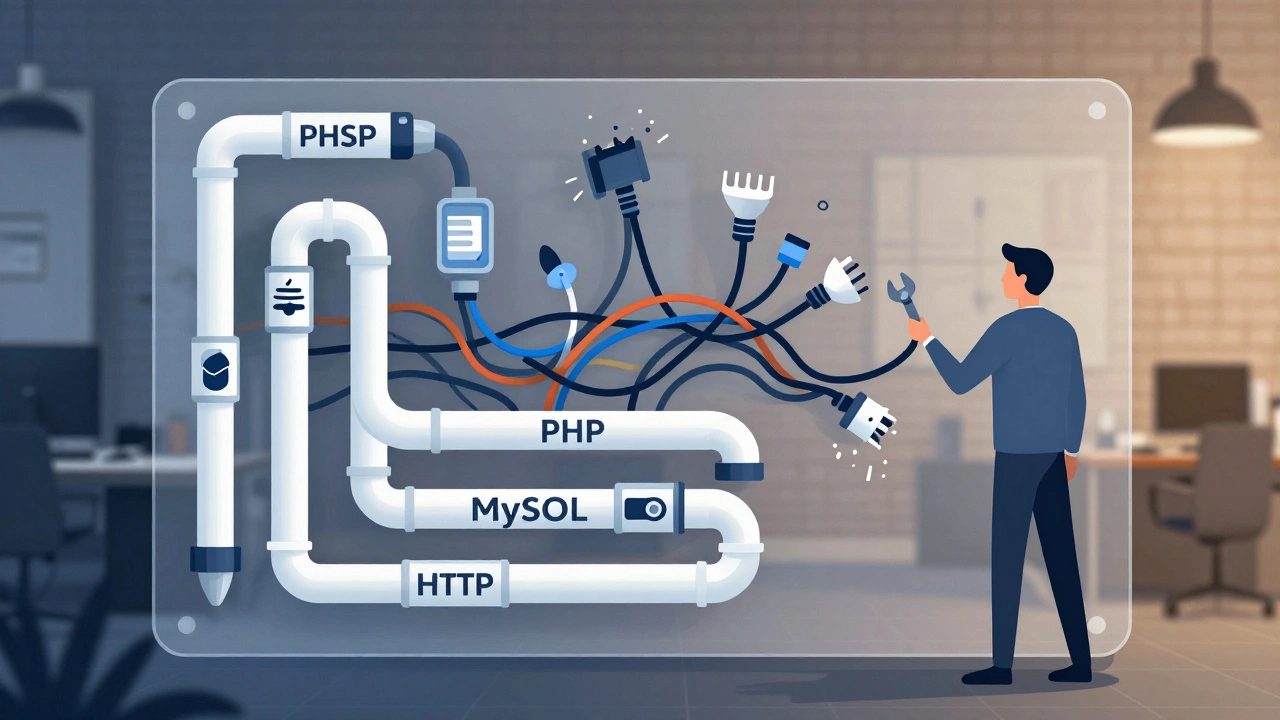
Think of it like plumbing. Anyone can turn on a tap, but when the pipes burst under the floorboards, you call a professional. In the WordPress ecosystem, the "plumbing" consists of PHP, a server-side scripting language designed primarily for web development, MySQL databases, and HTTP requests. Mastering these fundamentals separates the hobbyists from the professionals.
Salary Expectations: From Junior to Expert
If money is your primary driver, WordPress offers a clear trajectory. Salaries vary wildly based on location, skill depth, and employment type. Here is what the market looks like in 2026:
| Role Level | United States | United Kingdom | Remote Global Average |
|---|---|---|---|
| Junior Developer | $45,000 - $65,000 | £28,000 - £35,000 | $30,000 - $45,000 |
| Mid-Level Developer | $70,000 - $95,000 | £40,000 - £55,000 | $50,000 - $70,000 |
| Senior/Lead Developer | $100,000 - $140,000+ | £60,000 - £80,000+ | $80,000 - $110,000 |
| Freelance Specialist (Hourly) | $75 - $150/hr | £50 - £100/hr | $50 - $120/hr |
Notice the jump between mid-level and senior roles. That gap represents the shift from "using plugins" to "building solutions." Senior WordPress developers often act as technical architects, deciding whether to use a page builder, custom post types, or a headless setup. They optimize database queries and configure caching layers like Redis or Varnish. These skills command premium rates because they directly impact revenue and user experience for clients.
Employment Paths: Agency, In-House, or Freelance?
Your career path in WordPress depends heavily on how you want to work. There are three main lanes, each with distinct pros and cons.
Agency Work: This is the fastest way to learn. Agencies juggle multiple clients across different industries. One day you’re building a restaurant site; the next, you’re optimizing an e-commerce store for Black Friday traffic. The pace is frantic, and deadlines are tight, but you gain exposure to diverse problems quickly. Many senior developers start here before moving on.
In-House Roles: Larger companies, such as media organizations or established brands, hire WordPress developers to maintain their core digital presence. These roles offer more stability and deeper focus. You might spend months refining a single membership portal or integrating a CRM with a donation form. The trade-off is less variety and potentially slower technological adoption.
Freelancing: The holy grail for many. Freelance WordPress developers set their own hours and rates. However, success requires more than coding skills. You need sales ability, project management discipline, and client communication prowess. Platforms like Upwork and Toptal are saturated at the low end, but high-end consultants who solve specific business problems (like speeding up slow sites) never lack work.
Essential Skills Beyond Basic WordPress
To future-proof your career, you must look beyond the dashboard. The "old" way of doing WordPress involved heavy reliance on third-party plugins for every function. The "new" standard involves leaner, more secure architectures. Here are the critical skills you need to master in 2026:
- Modern PHP: Forget PHP 5.6. Current WordPress development uses PHP 8.2 or 8.3. You need to understand object-oriented programming, namespaces, and type declarations. This makes your code cleaner, faster, and less prone to errors.
- JavaScript & Block Editor: The Gutenberg block editor is now the standard. Building custom blocks requires knowledge of React.js and the WordPress REST API. If you can create reusable, interactive components for clients, you become indispensable.
- Performance Optimization: Speed is a ranking factor for Google and a conversion factor for users. Learn how to minify assets, implement lazy loading, and configure server-side caching. Tools like GTmetrix and PageSpeed Insights should be part of your daily workflow.
- Security Best Practices: WordPress is a target because it’s popular. Understanding how to prevent SQL injection, cross-site scripting (XSS), and brute-force attacks is non-negotiable. You should know how to manage user permissions securely and keep dependencies updated.
- Headless WordPress: For larger projects, decoupling the backend (WordPress) from the frontend (React, Vue, or Next.js) is becoming common. This allows for blazing-fast frontends while keeping the ease of content editing in WordPress. Knowing how to architect these systems sets you apart from traditional developers.
The Threat of AI and No-Code Tools
You’ve probably heard that AI will replace developers. Let’s address this elephant in the room. AI tools like GitHub Copilot or specialized WordPress AI plugins can generate boilerplate code, suggest fixes, and even create simple pages. Does this kill the career? No. It changes it.
AI handles the repetitive tasks. It writes the basic CSS grid. It generates the initial PHP loop. But AI struggles with context. It doesn’t understand why a client needs a specific checkout flow for a niche product. It doesn’t know how to negotiate scope creep with a demanding stakeholder. It can’t debug a complex conflict between two proprietary plugins.
Developers who embrace AI as a productivity tool will thrive. Those who resist it will fall behind. The value of a WordPress developer in 2026 is shifting from "writing code" to "solving business problems using code." Your ability to interpret requirements, design efficient architectures, and communicate technical constraints to non-technical clients is what commands high salaries.

How to Start Your WordPress Career Today
If you’re ready to dive in, don’t just watch tutorials. Build things. Here is a practical roadmap to get job-ready within six months:
- Learn the Basics: Set up a local development environment using LocalWP or Docker. Install WordPress manually via FTP to understand file structures. Create a child theme and modify the header, footer, and sidebar.
- Master Custom Post Types: Move beyond standard posts and pages. Learn to register custom post types and taxonomies using functions.php. This is essential for building portfolios, real estate listings, or job boards.
- Build a Plugin: Create a simple plugin that adds a shortcodes or modifies the admin dashboard. This teaches you hooks (actions and filters), which are the backbone of WordPress extensibility.
- Contribute to Open Source: Join the WordPress Make Core team or contribute to a popular plugin on GitHub. Even fixing documentation typos gets your name in the community and shows potential employers you care about quality.
- Create a Portfolio: Don’t just show screenshots. Write case studies. Explain the problem, your solution, and the result. Did you improve load times by 40%? Did you increase conversions by streamlining the contact form? Quantify your impact.
Is It Right for You?
A WordPress career is not for everyone. If you crave cutting-edge experimental tech and want to work on decentralized blockchain applications, WordPress might feel stagnant. But if you enjoy tangible results, helping small businesses grow, and working in a mature, well-documented ecosystem, it’s one of the best paths in tech.
The barrier to entry is low, but the ceiling is high. The difference between a mediocre developer and a top-tier expert is continuous learning. Stay curious. Read the official WordPress Developer Handbook. Attend WordCamps. Connect with other developers. The community is vast and generally welcoming.
Ultimately, WordPress is a tool. Like any tool, its value depends on the hands that wield it. In 2026, those hands are still in high demand, provided they are skilled, adaptable, and focused on delivering real value.
Do I need to know PHP to be a WordPress developer?
Yes, if you want to be a professional developer. While you can do basic customization with page builders and visual editors, true development requires PHP. PHP powers the core of WordPress, themes, and plugins. Without PHP knowledge, you are limited to configuring existing tools rather than creating new solutions. Modern PHP (version 8+) is relatively easy to learn if you have basic programming logic.
Can I earn a living freelancing with WordPress?
Absolutely. Many WordPress developers earn full-time incomes through freelancing. Success depends on specialization and client acquisition. Generalists compete on price, while specialists (e.g., WooCommerce experts, speed optimization gurus) command higher rates. Building a reputation through consistent delivery and referrals is key to sustaining a freelance career.
Is WordPress dying in 2026?
No. WordPress continues to hold over 43% of the market share. While no-code platforms like Webflow and Squarespace are growing, they serve different niches. WordPress remains the dominant choice for businesses needing flexibility, scalability, and ownership of their content. Its open-source nature ensures it evolves continuously, addressing security and performance concerns.
What is the difference between a WordPress developer and a web designer?
A web designer focuses on the visual appearance, layout, and user experience (UX) of a site, often using tools like Figma or Adobe XD. A WordPress developer implements that design into code, ensuring functionality, interactivity, and backend integration. Many professionals combine both skills, but pure developers prioritize code structure, security, and performance over aesthetics.
Should I learn React if I want to work with WordPress?
It is highly recommended. The WordPress block editor (Gutenberg) is built on React. Learning React allows you to create custom blocks, enhance the editing experience, and build headless WordPress frontends. While not strictly necessary for basic theme development, React knowledge significantly increases your employability and earning potential in the modern WordPress ecosystem.
How long does it take to become a proficient WordPress developer?
You can learn the basics in 1-3 months with dedicated study. However, becoming proficient enough to land a junior job typically takes 6-12 months of hands-on practice. Mastery, including advanced PHP, security, and performance optimization, often takes 2-3 years of professional experience. Continuous learning is essential due to frequent updates in the WordPress core and associated technologies.