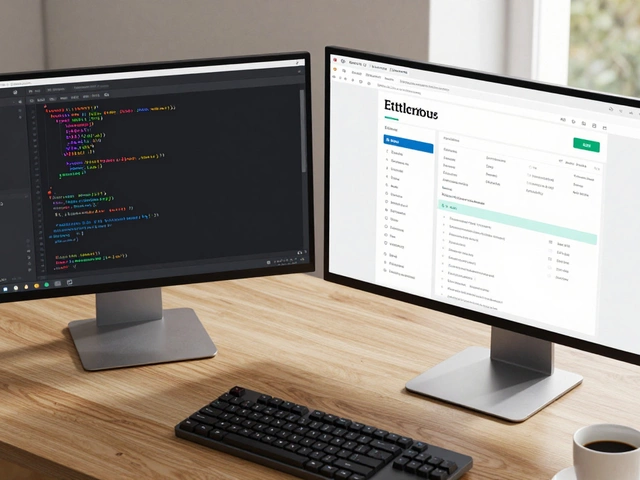


Real Ecommerce Profit Calculator
Note: Revenue is vanity; profit is sanity. Use this tool to stress-test your unit economics.
Product Economics
Profitability Breakdown
£0.00
0%£0.00
0%Hidden Costs (Est.)
- Platform Fees: £0.00
- Ad Spend: £0.00
- Lost Returns: £0.00
You have probably seen the headlines. Someone bought a digital camera three years ago, flipped it for ten times the price, and now drives a luxury car. These stories flood social media feeds every day. The internet makes wealth look easy to come by. But here is the truth that influencers rarely mention.
The money exists. That part is undeniable. However, the path to getting that money varies wildly depending on how you build your E-commerce. If you treat this like a lottery ticket, you will likely lose. If you treat it like a business operation, you might actually see returns.
The Market Reality in 2026
When asking if there is money in selling online, you first need to look at the landscape. By 2026, online shopping isn't just an alternative to brick-and-mortar shops. It is the default behavior for billions of consumers. The shift started accelerating before the pandemic, but now, convenience dictates everything.
People prefer buying from home. This preference creates massive opportunities. However, more people buying also means more competition. You are not fighting against five local competitors anymore. You are competing globally. A store in Leeds faces the same product search results as a warehouse owner in Shenzhen.
This global reach expands your total addressable market, but it shrinks the share you capture per customer. You need traffic. Without visitors, a beautiful website is just digital wallpaper. Traffic costs money, whether that is through paid ads or hours spent building community.
Shopify Shopify Plus and platforms like WooCommerce have democratized entry. Anyone can set up a storefront in an afternoon.Because entry barriers are low, exit barriers are high. Many open the door but forget to manage the lights. Let's talk about where the actual value sits.
Understanding the Economics of Online Retail
Revenue is vanity. Profit is sanity. Many new sellers focus solely on how much they bring in. A £50,000 month looks great until you realize your net profit was negative £2,000 after expenses. Understanding unit economics is the key to survival.
Your core metric is the profit margin. In traditional retail, margins might sit around 20% to 30%. Online, this changes based on fulfillment. If you handle shipping yourself, you save on third-party fees but gain overheads like warehouse rent. If you outsource, you pay the markup but buy back your time.
Digital goods offer the steepest margins. If you sell a template or software course, you create it once. Every subsequent sale is nearly pure profit after platform fees. Physical products involve manufacturing, freight, customs duties, and packaging materials. These costs eat directly into your bottom line before a single item is sold.
Consider the cost of acquiring a customer. In 2026, attention is scarcer than ever. Social media algorithms prioritize connection over commerce. Clicking an ad to land a buyer costs significantly more than it did five years ago. You must calculate Customer Acquisition Cost against Lifetime Value.
| Cost Type | Physical Products | Digital Downloads | Subscription Box |
|---|---|---|---|
| Upfront Inventory | High | None | Medium |
| Transaction Fees | ~2.9% + 30p | Same | Higher (Recurring) |
| Fulfillment Cost | Shipping + Packaging | Autorotation Delivery | Monthly Shipping |
| Return Rates | High (10-30%) | Low (Under 2%) | Low (Under 5%) |
| Marginal Profit | Variable | Very High | Stable |
The Danger Zone: When Stores Lose Money
I have seen entrepreneurs burn through savings because they underestimated one critical variable: Returns. Physical products get returned. Customers order sizes they never wear. Items arrive damaged. Sometimes customers simply change their minds.
In clothing, return rates can hit 30%. Imagine selling 100 items. Thirty are sent back. You still paid the outbound shipping. Now you must pay inbound shipping, re-stock, or refund. The profit you thought you made vanishes. For some niche categories, returns are the silent killer of capital.
Another trap is relying on stock. Holding inventory ties up cash. If you spend £10,000 on stock that sits in a warehouse for six months, that is dead money. In inflation-heavy periods, having cash on hand allows you to pivot quickly. Dead stock prevents pivots.
Paid advertising offers immediate visibility, but it acts as a drain until you master optimization. Running ads with unproven landing pages is essentially burning cash. Many beginners test with £50 budgets. That data is often insufficient to trigger algorithmic learning. You need significant spend to validate product-market fit accurately.
Amazon FBA provides Fulfillment by Amazon services which removes shipping hassle but introduces strict fee schedules.These fees include storage charges and referral percentages. If your product price point is too low, fees consume all revenue. Tools exist to calculate these fees precisely, but many sellers guess. Guessing is how you run out of runway.
Building a Sustainable Income Stream
If you want money, you need repeat purchases. Acquiring a new customer is expensive. Keeping an old one is cheap. Email marketing and SMS lists allow direct communication. You own this audience; you do not rent them like a social media follower.
Build an email flow. Welcome series, abandoned cart reminders, post-purchase follow-ups. These automated sequences recover lost revenue. An abandoned cart recovery email can convert 15% of bounced buyers. Those sales were almost free money sitting on the table.
Brand loyalty also allows you to raise prices. Generic commodity items compete purely on price. Branded items compete on trust. A customer who trusts your brand will pay slightly more for better quality or assurance. Trust compounds over time.
To build trust, transparency is vital. Show real photos, not stolen stock images. Explain your process. Be clear about shipping times. In a world full of dropshippers hiding behind generic descriptions, honesty becomes a competitive advantage.
Scaling Without Breaking the Bank
Growth brings its own problems. A system handling 10 orders daily might crash at 100. Payment gateways have limits. Stripe or PayPal accounts can get flagged if you suddenly jump in volume without verification.
Cash flow management is critical when scaling. Banks take longer to release funds sometimes. Suppliers might demand payment upfront while customers haven't paid you yet. This gap is called working capital. You need reserves to bridge it.
Many successful businesses outsource logistics early. Hiring staff to pack boxes takes space and energy. Using a 3PL provider scales with you. You ship bulk stock to them, and they pick and pack individual orders. As sales double, they handle the lift.
Technology also needs maintenance. Security patches, theme updates, plugin conflicts. If you are selling hundreds of transactions a day, a security breach could destroy your reputation overnight. Investing in security measures pays dividends in customer confidence.

Navigating Competition and Trends
The market evolves fast. Video commerce is rising. Live streams where hosts demonstrate products and viewers click to buy instantly. Ignoring video content reduces your ability to connect emotionally with buyers.
Sustainability matters to modern shoppers. Younger generations avoid brands associated with waste. Eco-friendly packaging and carbon-neutral shipping options influence purchasing decisions. These choices add cost but build long-term value.
Localisation helps too. A global store often wins by offering native language support. Translating your checkout flow increases conversion rates significantly. People hesitate to enter card details in a foreign currency interface if they cannot understand the policy.
The Verdict on Wealth Potential
Can you make a fortune? Yes. Is it easy? Absolutely not. The barrier to entry is technical simplicity, but the barrier to exit is operational complexity. You need systems, processes, and patience.
Some will quit after three months seeing slow growth. Others compound efforts for two years and build generational assets. The difference usually comes down to resilience and financial planning. Treat it like a job first, then optimize for passive income later.
Do I need a lot of capital to start ecommerce?
Not necessarily. You can start lean using dropshipping to avoid inventory costs. However, having at least £2,000 to £5,000 for testing ads and branding improves your chances significantly.
What is a good profit margin for online stores?
A healthy gross margin sits between 50% and 70%. After expenses, aim for a net profit of 15% to 20%. Digital products often achieve higher margins than physical goods.
Is dropshipping still profitable in 2026?
It remains viable but harder due to increased competition. Private labeling your products eventually yields better margins than reselling generic supplier items.
How much does traffic cost?
Costs vary widely. Social media ads range from £1.50 to £5 per click depending on your niche and targeting. Organic traffic via SEO is free but takes months to build momentum.
Should I hire a developer or use templates?
Start with templates for speed. Invest in custom development only once you hit consistent revenue. Custom features become necessary when standard tools limit scalability.