

When you build a website today, you’re not just picking a platform—you’re choosing a whole ecosystem. WordPress, a content management system that powers over 43% of all websites. Also known as a no-code-friendly platform, it lets anyone launch a site without writing a single line of code—but behind the scenes, it runs on PHP, a server-side language that still drives over 77% of websites in 2025. Also known as the backbone of WordPress, it’s fast, cheap, and deeply embedded in the web. And while PHP handles the server, JavaScript, the language that makes websites interactive. Also known as the frontend standard, it runs in every browser and powers everything from buttons to AI-powered forms. These three aren’t just tools—they’re the core trio that keeps the modern web alive.
People ask if WordPress needs coding. The real answer? You don’t need it to start—but if you want to fix things fast, save money on developers, or build something unique, knowing even a little PHP or JavaScript changes everything. Same with JavaScript: you can’t ignore it in 2025. AI tools can write code, but they can’t replace your judgment. Employers still want developers who understand how these pieces fit together—not just who can click buttons in a drag-and-drop builder. That’s why web developer demand hasn’t dropped—it’s just gotten smarter. The people who thrive now aren’t the ones who know every framework. They’re the ones who know when to use PHP, when to tweak JavaScript, and when to stick with WordPress out of the box.
And here’s the thing: no one’s replacing PHP with Python. No one’s killing JavaScript with AI. They’re all still in use—side by side. Companies don’t pick one and ditch the rest. They use PHP for content-heavy sites, JavaScript for dynamic features, and WordPress to tie it all together without hiring a full team. That’s the reality of web development in 2025. It’s not about choosing the newest thing. It’s about knowing what works, what’s affordable, and what actually solves your problem.
Below, you’ll find real, no-fluff guides on exactly that. From how much your website is actually worth to whether you can learn JavaScript in three days, these posts cut through the hype. You’ll see what’s still relevant, what’s changed, and what you should focus on next—no theory, no filler, just what matters.

You don't need to code to use WordPress - most users don't. But knowing a little CSS or PHP can save you time and money. Here's what you can do without code, and when it helps to learn just a bit.
Read More
JavaScript remains the backbone of the modern web in 2024. Learn why it's still essential for developers, from frontend to backend, and how to start building real projects today.
Read More
PHP is still powering over 77% of websites in 2025. From WordPress to enterprise platforms, it's fast, affordable, and reliable. Here's why it's not dead - and where it still dominates.
Read More
Web developers are still in high demand in 2025, but the skills needed have evolved. AI hasn't replaced them-it's raised the bar. Learn what employers really want and how to break into the field.
Read More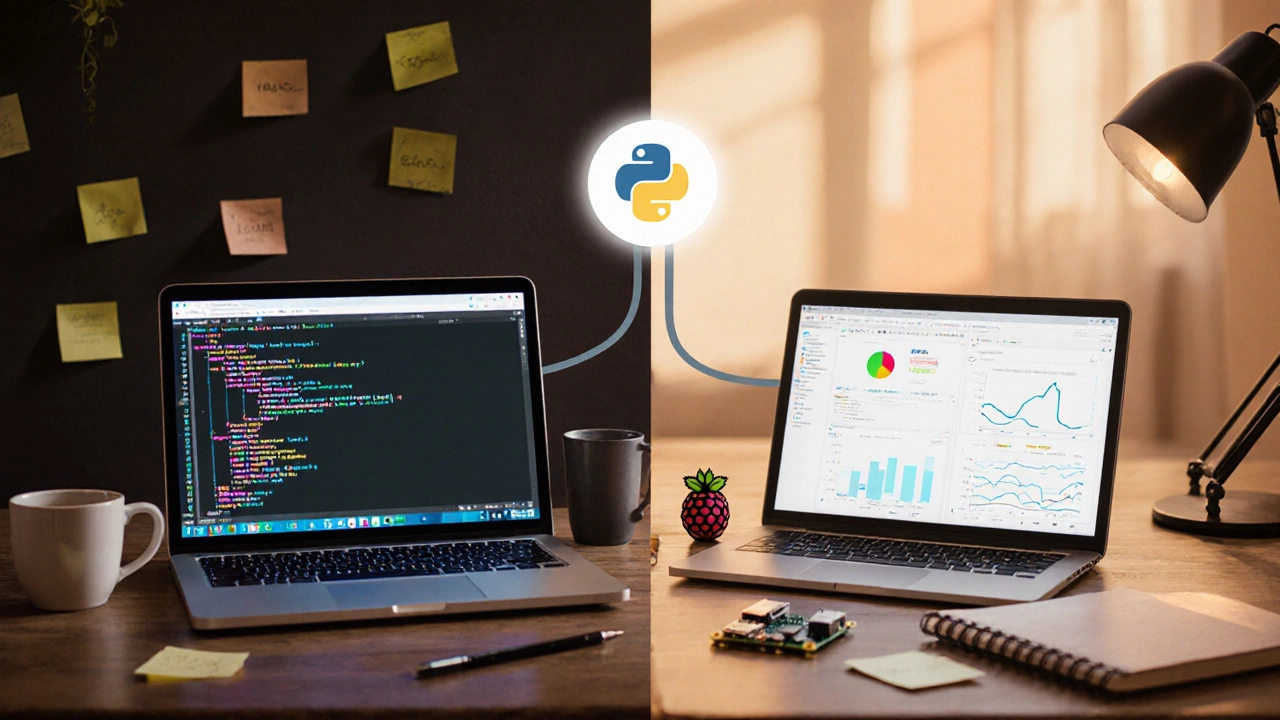
PHP still powers most websites, but Python is rising fast. This guide breaks down when to stick with PHP, when to switch to Python, and why most companies use both - not one or the other.
Read More
Learn what you can realistically achieve in 3 days learning JavaScript. Get a clear plan, avoid common mistakes, and know what comes next after the crash course.
Read More
Find out what makes a website valuable and how much you can realistically sell it for based on traffic, profit, and automation. Real examples from 2025 marketplaces.
Read More