
E-commerce Knowledge Quiz
Think you know the difference between E-business and E-commerce? Or which model fits a freelancer selling to a company? Test your knowledge below.
Quiz Results
0/0
You probably buy things online every week. Maybe it’s a pair of shoes from a brand you found on Instagram, or perhaps it’s your weekly grocery shop delivered to your door. But if someone stopped you on the street in Leeds and asked, "What does e-commerce actually mean?" would you have a clear, simple answer? Or would you start rambling about websites and credit cards?
It’s a fair question. The term gets thrown around constantly by tech gurus and business coaches, but the actual definition is surprisingly broad. At its core, e-commerce (short for electronic commerce) isn’t just about having a website. It’s any transaction where goods or services are exchanged over an electronic network, primarily the internet. That’s it. No physical handshake required.
The Core Definition: More Than Just a Website
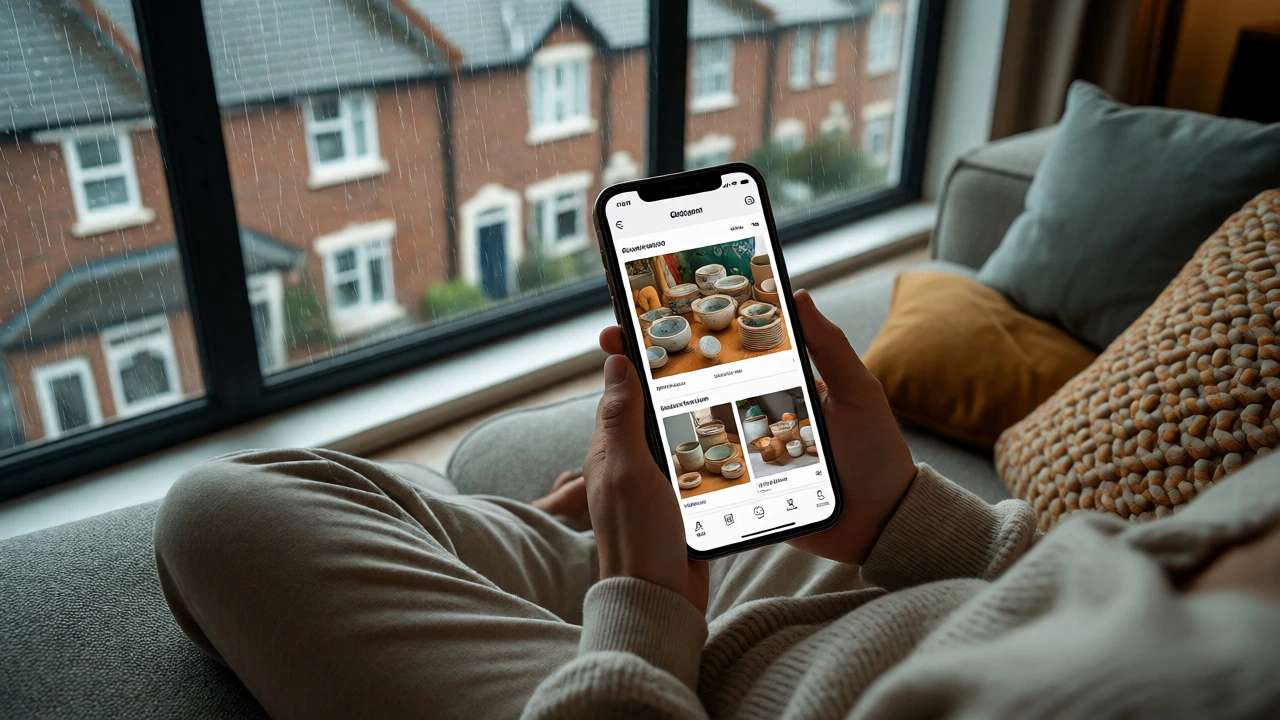
Think of traditional commerce as buying apples at a market stall. You hand over cash; they hand over apples. E-commerce is that same exchange, but the "market stall" lives on a server, and the "cash" moves through digital wires. This shift removes geographic barriers. A customer in London can buy handmade pottery from a creator in Kyoto without leaving their sofa.
This distinction matters because many people confuse e-commerce with e-business. They aren’t the same. E-business is the broader umbrella term covering all aspects of running a business online, including internal communications, supply chain management, and customer service automation. E-commerce, conversely, specifically refers to the buying and selling activities themselves-the actual transactions. If you’re emailing suppliers to restock inventory, that’s e-business. If you’re processing a customer’s payment for a t-shirt, that’s e-commerce.
The Four Main Types of E-commerce Models
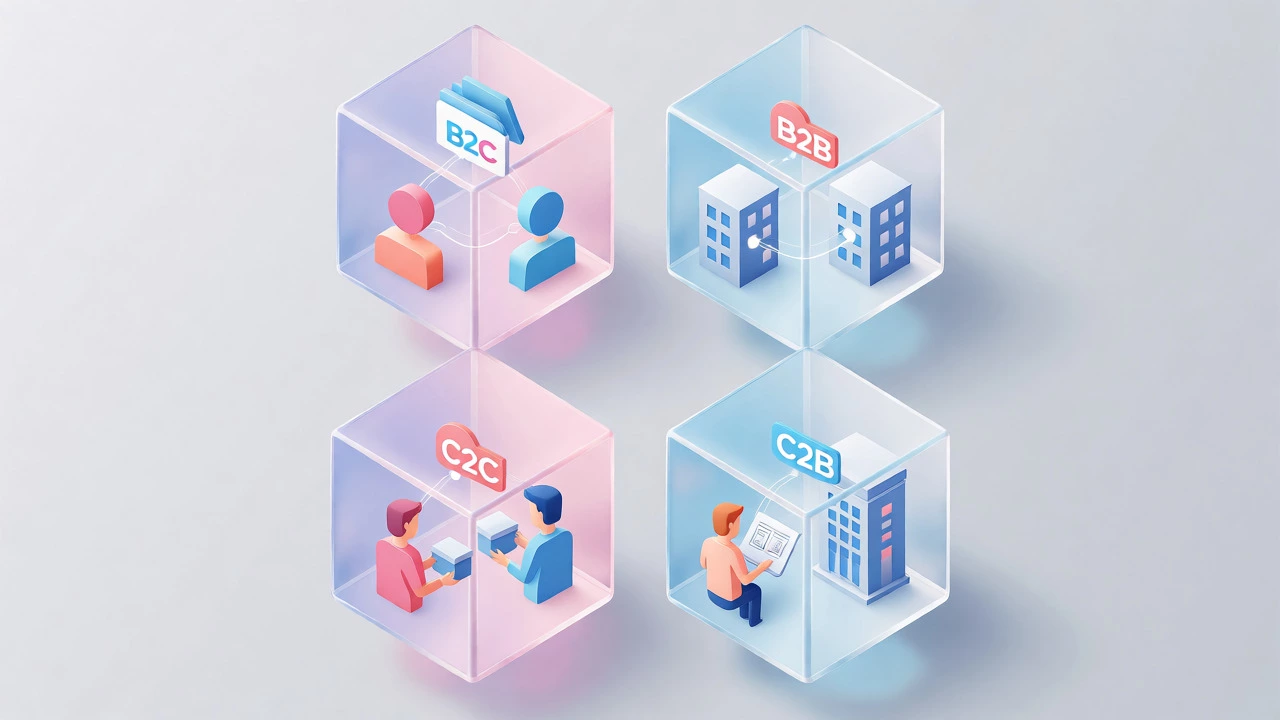
Not all online sales look alike. Understanding who is selling to whom helps clarify what kind of e-commerce operation you might be looking at-or building. There are four primary models, defined by the participants involved.
| Model | Who Sells? | Who Buys? | Real-World Example |
|---|---|---|---|
| B2C (Business-to-Consumer) | A company | An individual shopper | Buying a laptop from Amazon |
| B2B (Business-to-Business) | A company | Another company | A bakery ordering flour in bulk from a supplier |
| C2C (Consumer-to-Consumer) | An individual | Another individual | Selling used books on eBay |
| C2B (Consumer-to-Business) | An individual | A company | A photographer selling stock images to Getty Images |
B2C is the one most people picture. It’s high-volume, lower-value transactions aimed at individuals. B2B is quieter but often involves much larger sums. For instance, when a local café orders coffee beans via a digital portal from a roaster, that’s B2B e-commerce. C2C platforms like Etsy or Vinted empower regular people to become sellers. And C2B flips the script-think of influencers pitching brands or freelancers offering services on Upwork.
Why Does E-commerce Matter So Much?
If you’re wondering why this topic dominates headlines, look no further than convenience and data. Traditional retail forces you to drive to a store, browse aisles, and wait in line. E-commerce lets you compare ten different vacuum cleaners in three minutes, read reviews from strangers, and check out while wearing pyjamas.
But the real magic lies in data. When you walk into a brick-and-mortar shop, the owner doesn’t know how long you looked at a shelf or which product you picked up and put back down. Online, every click is tracked. Businesses use this data to personalize experiences. If you looked at hiking boots last Tuesday, you’ll likely see ads for waterproof socks today. This level of insight allows for smarter inventory management and targeted marketing, reducing waste and increasing sales efficiency.
Key Components of an E-commerce System
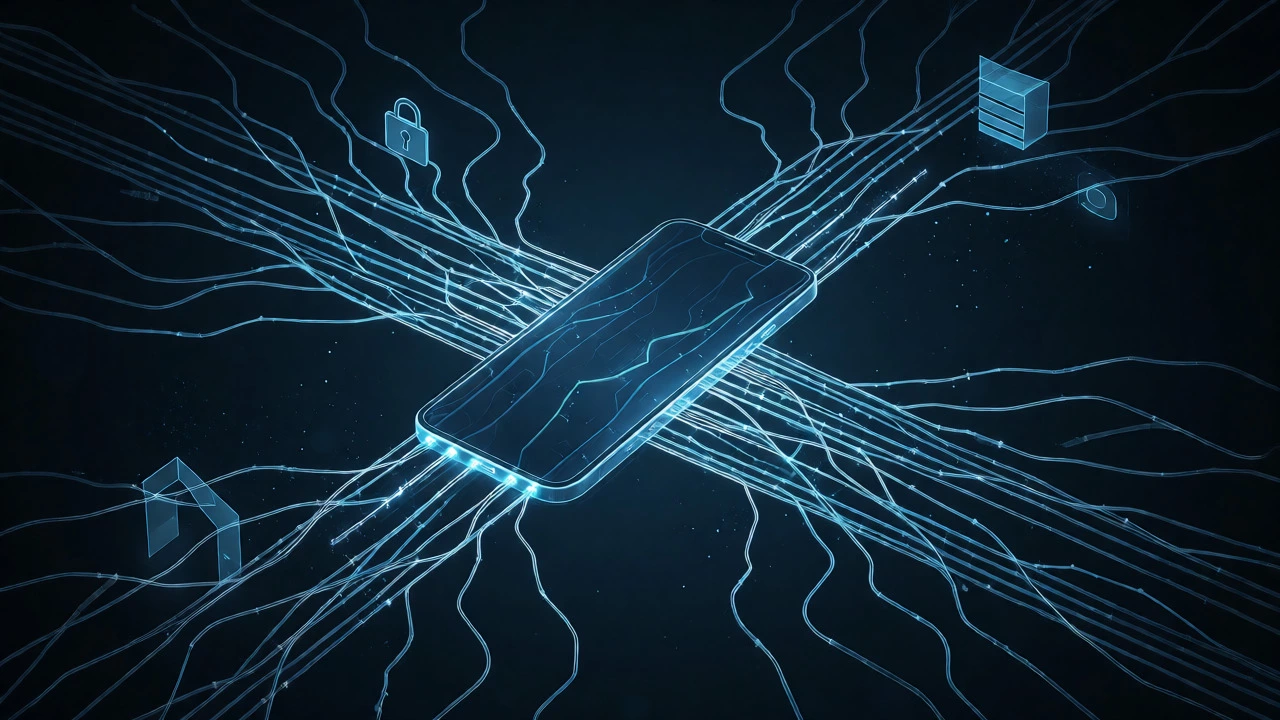
To make those transactions happen, several moving parts need to work together seamlessly. It’s not just a pretty storefront. Here’s what happens behind the scenes when you hit "Buy Now":
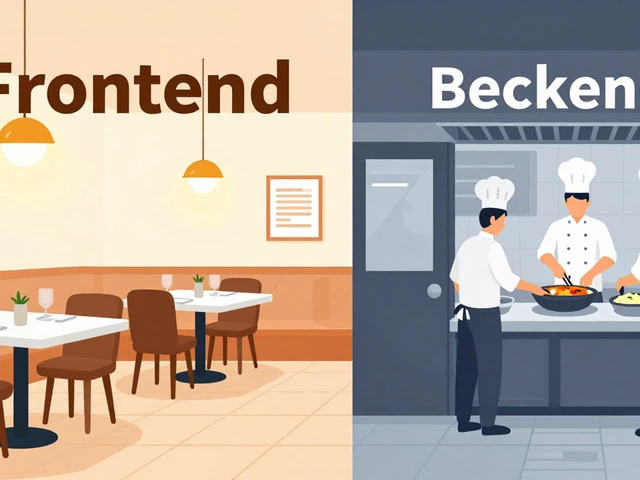
- The Frontend: This is the part you see and interact with. It includes the product pages, shopping cart, and checkout button. It needs to be fast and mobile-friendly, especially since over 70% of global e-commerce traffic comes from smartphones.
- The Backend: This is the engine room. It manages inventory levels, processes orders, and updates databases. If the frontend is the face, the backend is the brain.
- Payment Gateways: These are the digital toll booths. Services like Stripe, PayPal, or Square securely process credit card details, ensuring money moves from the buyer’s bank to the seller’s account without exposing sensitive data.
- Logistics and Fulfillment: Once the digital transaction is done, the physical world takes over. This involves picking, packing, and shipping the item. Many businesses now use third-party logistics providers to handle this, allowing them to focus on marketing and product development.
E-commerce vs. M-commerce: What’s the Difference?
You might hear the term "m-commerce" floating around. It stands for mobile commerce. Is it different from e-commerce? Technically, yes, but practically, it’s a subset. M-commerce specifically refers to transactions completed on mobile devices like smartphones and tablets.
Why separate them? Because user behaviour differs significantly. Mobile users tend to have shorter attention spans, prefer app-based interfaces, and often use digital wallets like Apple Pay or Google Wallet. Desktop users might spend more time comparing specs and reading detailed descriptions. Successful modern businesses optimize for both, but recognizing the distinction helps tailor the experience. If your site loads slowly on a 4G connection, you’re losing m-commerce customers before they even see your products.
Getting Started: What Do You Actually Need?
If you’re thinking about launching an online store, don’t get overwhelmed by the technical jargon. You don’t need to code a platform from scratch. Most beginners start with established systems.
For small businesses, platforms like Shopify or WooCommerce (a plugin for WordPress) offer turnkey solutions. They handle hosting, security, and payment integration out of the box. You just upload products and configure settings. Larger enterprises might build custom solutions using frameworks like Laravel or Django, but that requires significant development resources.
Before you launch, ask yourself these three questions:
- Do I have a unique value proposition? Why should someone buy from me instead of Amazon?
- Is my product suitable for online sale? Fragile, heavy, or highly personalized items present specific logistical challenges.
- Can I handle customer service? Online shoppers expect quick responses. Ignoring emails kills trust faster than a delayed shipment.
Final Thoughts: It’s About Connection
At the end of the day, e-commerce is just a tool. It removes friction from buying and selling. Whether you’re selling vintage records or enterprise software, the principles remain the same: understand your audience, make the transaction easy, and deliver what you promised. The technology changes-AI chatbots, augmented reality try-ons, cryptocurrency payments-but the goal stays constant. Connecting buyers with sellers efficiently.
Is e-commerce the same as dropshipping?
No. Dropshipping is a fulfillment method within e-commerce where the seller doesn't keep goods in stock. Instead, they transfer customer orders to a manufacturer or wholesaler, who ships directly to the customer. E-commerce is the broader activity of selling online, regardless of how inventory is managed.
Do I need a website to do e-commerce?
Not necessarily. While a dedicated website offers full control, you can conduct e-commerce through social media platforms (like Instagram Shopping), online marketplaces (like Amazon or Etsy), or even via messaging apps. However, owning your own website typically provides better brand identity and customer data ownership.
What is the biggest challenge in starting an e-commerce business?
Traffic generation is often cited as the biggest hurdle. Building a store is relatively easy; getting people to visit it is hard. High competition means you must invest in SEO, paid advertising, or social media marketing to stand out. Additionally, managing returns and customer expectations adds operational complexity.
Can I sell services through e-commerce?
Absolutely. E-commerce isn't limited to physical goods. You can sell digital products like ebooks, software subscriptions, online courses, and consulting hours. The transaction mechanism is identical; only the delivery method differs (digital download vs. physical shipping).
How secure is online shopping?
Modern e-commerce is very secure when proper protocols are followed. Look for HTTPS in the URL bar and padlock icons, which indicate SSL encryption protecting your data during transmission. Reputable payment gateways also comply with PCI DSS standards to ensure credit card information is handled safely.