

Ever wonder why some websites feel smooth while others make you click away? The secret is usually a solid UI/UX design. UI (User Interface) is the visual side—colors, buttons, layout. UX (User Experience) is how everything works together to satisfy the visitor. When they click, they should both look good and feel right.
Getting UI and UX right doesn’t need a huge budget or a PhD. Start by thinking about the real people who will use your site. What are their goals? What annoys them? Answering those questions shapes every design decision, from the size of a call‑to‑action button to the flow of a checkout page.
Imagine a gorgeous app with tiny text, confusing navigation, and slow loading times. Even though the UI looks great, users will quickly bail because the UX is weak. On the flip side, a fast, functional site with a bland layout might keep users, but it won’t inspire confidence or brand loyalty. The sweet spot is when UI catches the eye and UX keeps the user moving forward.
One easy way to test this balance is the “5‑second test.” Show a fresh visitor a screenshot for five seconds, then ask what they remember. If they can name the main purpose or find the primary button, you’ve done well. If not, simplify the visual hierarchy and make the most important actions stand out.
1. Start with wireframes. Sketch a rough layout before picking colors. Wireframes help you focus on structure and flow without getting distracted by aesthetics.
2. Choose a limited color palette. Stick to 2‑3 main colors and a couple of neutrals. Consistency reduces visual noise and guides the eye to key areas.
3. Make buttons obvious. Use a contrasting color, add enough padding, and keep the label short. Users should be able to spot the next step without thinking.
4. Keep copy clear. Write short, conversational sentences. Badly worded instructions cause friction—simple language speeds up the experience.
5. Test on real devices. A design that looks perfect on a desktop might break on a phone. Check responsiveness, tap targets, and load times on the devices your audience uses most.
6. Use feedback loops. Add subtle animations or messages that confirm an action (“Your form is saved!”). This lets users know the system is working and builds trust.
7. Iterate quickly. Tools like Figma or Adobe XD let you make fast changes and share prototypes with teammates or users. Gather feedback, tweak, and repeat.
Remember, good UI/UX isn’t a one‑time project. It’s an ongoing habit of listening to users, watching analytics, and refining the design. When you keep the focus on real‑world use, your site will look sharper and perform better, driving more clicks, sign‑ups, or sales.
Ready to level up? Grab a pen, sketch a quick wireframe, pick a simple color scheme, and test it on your phone. In a few hours you’ll see how small UI tweaks can make a big UX difference. Happy designing!

Confused about whether UI/UX is a developer role? Discover the key differences in skills, tools, and mindset. Learn why the lines are blurring and how to choose your career path.
Read More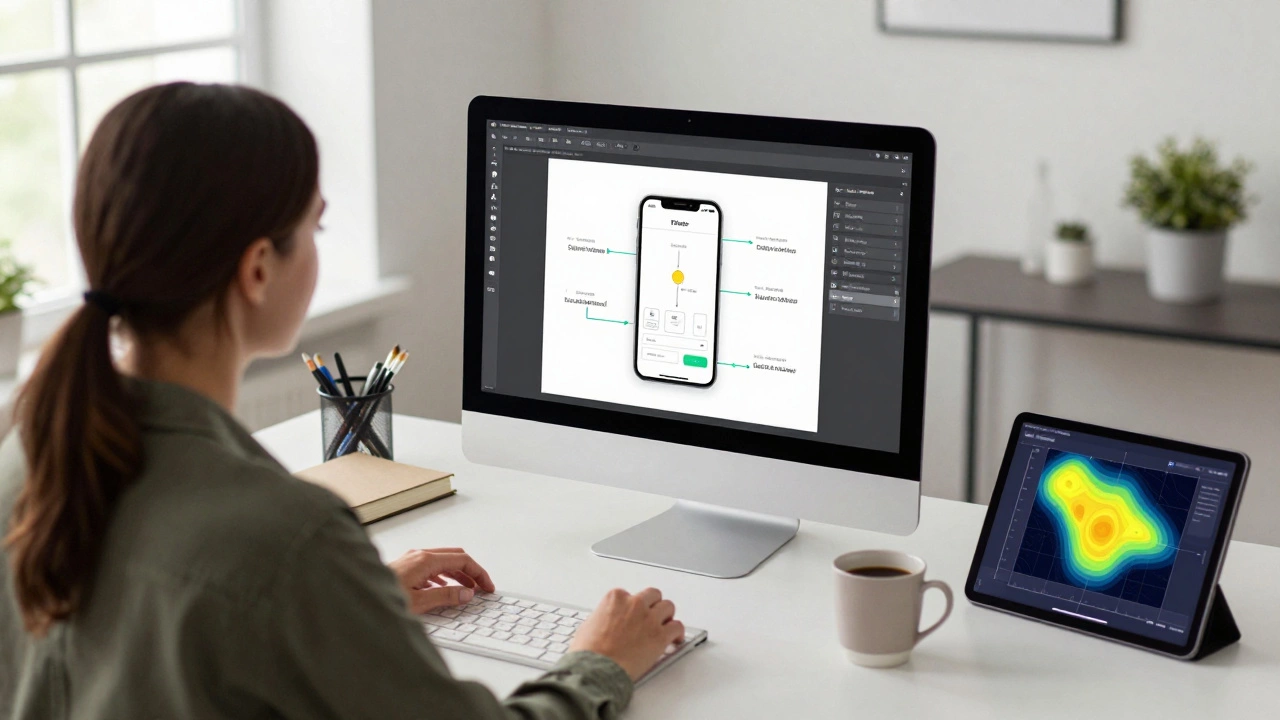
UI/UX design isn't a coding job, but knowing basic HTML and CSS makes you a better designer. Learn what skills actually matter and how to bridge the gap between design and development.
Read More