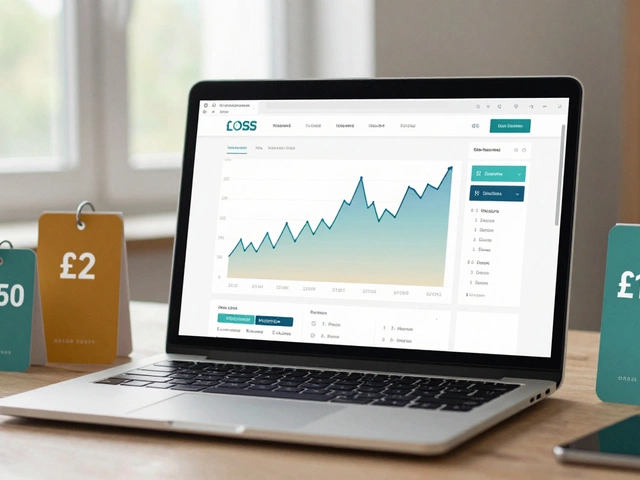


eCommerce Profitability Calculator
Enter Your Estimates
Financial Breakdown
Start an online store today, and you might hear two very different stories. One side tells you that anyone with a laptop can become a millionaire by selling drop-shipped gadgets. The other warns that the market is saturated, ad costs are skyrocketing, and most stores lose money within six months. So, which one is true? Is eCommerce profitable?
The short answer is yes, but not automatically. It is not a passive income machine where you hit 'publish' and watch cash flow in. It is a real business with real margins, real risks, and real competition. In 2026, the landscape has shifted again. Customer acquisition costs are higher than they were five years ago, but tools for automation and personalization are better too.
To understand if your specific idea will make money, we need to look past the hype. We need to talk about gross margins, net profits, customer lifetime value, and the hidden costs that kill small businesses. Let’s break down the actual economics of running an online store right now.
Understanding the Difference Between Revenue and Profit
Most beginners confuse revenue with profit. If you sell $10,000 worth of goods in a month, that is revenue. It sounds impressive until you realize you spent $8,500 on those goods, $1,000 on ads, and $500 on platform fees. Your profit is only $0. That is a common trap.
In the world of retail commerce, specifically online sales channels, there are two critical numbers you must track: Gross Margin and Net Profit Margin.
- Gross Margin: This is the percentage of revenue left after subtracting the Cost of Goods Sold (COGS). COGS includes the product cost, packaging, and direct shipping materials. If you buy a t-shirt for $10 and sell it for $30, your gross margin is $20, or 66%. This number tells you if your pricing strategy works.
- Net Profit Margin: This is what you actually keep in your pocket. You take your gross profit and subtract operating expenses like marketing, software subscriptions, staff salaries, and taxes. A healthy net profit margin for a mature eCommerce business typically sits between 10% and 20%. Newer stores often operate at 0% or even negative margins while they grow.
If your gross margin is below 30%, you have very little room for error. One increase in shipping rates or a slight dip in conversion rates can wipe out your earnings. High-ticket items usually have lower percentage margins but higher absolute profit per sale, while low-ticket items rely on volume.
The Hidden Costs That Eat Your Margins
When people ask if starting an online shop is profitable, they rarely account for the overhead. These fixed and variable costs add up quickly and can turn a seemingly viable product into a money pit.
| Expense Category | Estimated Cost (USD) | Impact on Profitability |
|---|---|---|
| Platform Fees (Shopify/WooCommerce) | $39 - $300+ | Fixed monthly overhead |
| Payment Processing | 2.9% + $0.30 per transaction | Scales with revenue; eats into thin margins |
| Customer Acquisition (Ads) | $500 - $5,000+ | Variable; highest risk factor |
| Returns & Refunds | 5-15% of revenue | Destroys net profit if not managed |
| Shipping & Logistics | Varies widely | Directly impacts COGS and customer satisfaction |
Let’s look at customer acquisition cost (CAC). In 2024 and 2025, social media algorithms changed frequently, making organic reach nearly impossible for new brands. Most stores now pay for every click. If your CAC is $20 and your average order value (AOV) is $50 with a $15 product cost, you are spending $20 to make $35 in gross profit. You are left with only $15 before paying for software, hosting, and taxes. That is tight.
Returns are another silent killer. In fashion, return rates can hit 30%. If a customer returns an item, you don’t just lose the sale; you lose the shipping cost both ways and potentially the value of the item if it isn’t resellable. This is why many successful stores focus on non-returnable categories like digital products, consumables, or custom-made goods.

Business Models: Which Ones Actually Make Money?
Not all eCommerce models are created equal when it comes to profitability. Some require heavy upfront investment, while others have low barriers to entry but fierce competition.
Dropshipping
Dropshipping is popular because you don’t hold inventory. However, it is notoriously difficult to maintain high margins. Since you don’t control the supplier, you have limited ability to differentiate your product. Ad costs are high because everyone is targeting the same audiences. Profitability here relies entirely on finding winning products quickly and scaling fast before competitors copy you. It is a game of speed, not brand loyalty.
Private Label & White Label
This model involves buying generic products and branding them as your own. It offers better margins than dropshipping because you buy in bulk. You also have more control over quality and packaging. The downside is the upfront capital required for inventory. However, this builds a real asset-a brand-that customers can recognize and trust. This leads to higher repeat purchase rates, which boosts long-term profitability.
Digital Products
If you want the highest possible margins, look at digital products. E-books, courses, templates, and software have zero COGS. Once you create the product, selling it to one person or ten thousand people costs roughly the same. Your main costs are marketing and platform fees. Net profit margins here can exceed 80-90%. The challenge is creating high-value content that people are willing to pay for.
Subscription Boxes
Subscriptions provide predictable revenue. Knowing exactly how much money will come in next month helps with cash flow management. However, churn (customers canceling) is a constant threat. To stay profitable, you need a retention rate above 70-80%. You must continuously deliver value to keep subscribers engaged. If your churn is high, you spend more on acquiring new customers than you earn from existing ones.
The Role of Customer Lifetime Value (LTV)
Many stores fail because they focus only on the first sale. They acquire a customer for $20, sell them a $30 item, and make $5 in gross profit. After ads and fees, they break even. But what if that customer buys again three months later? And again six months later?
Customer Lifetime Value (LTV) is the total revenue a business can expect from a single customer account throughout their relationship. In eCommerce, LTV is the key to sustainable profitability. If your LTV is three times your CAC, you have a healthy business. If it’s less than twice your CAC, you are struggling.
How do you increase LTV?
- Email Marketing: Sending personalized follow-ups, abandoned cart reminders, and exclusive offers. Email has one of the highest ROIs in marketing because it targets warm leads who already know your brand.
- Loyalty Programs: Rewarding repeat purchases with points or discounts encourages customers to choose you over competitors.
- Upselling and Cross-selling: Suggesting complementary products at checkout increases the Average Order Value (AOV). If you sell coffee beans, suggest a grinder. It costs little extra to ship but adds significant revenue.
A store with a loyal customer base spends less on ads over time. Organic word-of-mouth referrals reduce CAC. This creates a virtuous cycle where profitability improves as the brand grows.

Market Trends in 2026 Affecting Profits
The eCommerce landscape is dynamic. Several trends in 2026 directly impact whether your store makes money.
AI-Powered Personalization: Artificial intelligence is no longer a buzzword; it’s a standard tool. AI chatbots handle customer service 24/7, reducing labor costs. Recommendation engines suggest products based on browsing behavior, increasing conversion rates. Stores that use these tools efficiently see higher sales without proportionally higher costs.
Sustainability Expectations: Consumers, especially younger demographics, prefer eco-friendly brands. Using sustainable packaging or sourcing ethical materials can justify higher prices. However, greenwashing (fake sustainability claims) backfires. Authentic transparency builds trust and allows for premium pricing, improving margins.
Short-Form Video Commerce: Platforms like TikTok and Instagram Reels drive impulse buys. Live shopping events allow real-time interaction with products. This format reduces the need for traditional static ads and can lead to viral growth. However, it requires consistent content creation, which is a time and resource investment.
Rising Shipping Costs: Global logistics remain volatile. Fuel prices and labor shortages affect delivery times and costs. Offering free shipping is a powerful conversion tactic, but it must be baked into the product price. If you can’t absorb the cost, your margins shrink. Partnering with local suppliers or using regional fulfillment centers can mitigate this.
Strategies to Boost Your Bottom Line
Knowing the challenges is half the battle. Here are actionable steps to ensure your online venture remains profitable.
- Niche Down: Don’t try to sell everything to everyone. Specializing in a specific niche reduces competition and allows you to charge premium prices. Customers pay for expertise and curation.
- Optimize Conversion Rate: Improving your website’s user experience (UX) can double your sales without increasing traffic. Fast loading speeds, mobile-friendly design, and clear calls-to-action are essential. Every 1% increase in conversion rate significantly boosts profit.
- Control Ad Spend: Use data to refine your targeting. Stop wasting money on audiences that don’t convert. Focus on retargeting campaigns for users who visited your site but didn’t buy. These conversions are cheaper and more likely.
- Negotiate with Suppliers: As your volume grows, negotiate better rates. Even a 5% reduction in COGS goes straight to your bottom line.
- Monitor Metrics Daily: Track CAC, LTV, AOV, and Net Profit Margin regularly. Set alerts for anomalies. Early detection of problems prevents large losses.
Profitability in eCommerce is not about luck. It is about disciplined financial management, strategic marketing, and continuous optimization. It takes time to build a brand that commands loyalty and premium prices. But for those who treat it as a serious business rather than a get-rich-quick scheme, the rewards are substantial.
What is a good profit margin for an eCommerce business?
A healthy net profit margin for a mature eCommerce business is typically between 10% and 20%. Gross margins should ideally be above 50% to cover operating expenses and marketing costs. Lower margins require higher volume to achieve the same profit levels.
Is dropshipping still profitable in 2026?
Dropshipping can be profitable, but it is highly competitive. Success depends on finding unique products, managing ad spend carefully, and providing excellent customer service. Margins are generally thinner compared to private label models due to lack of brand differentiation and higher customer acquisition costs.
How much does it cost to start a profitable online store?
Starting costs vary widely. A basic store using platforms like Shopify can launch for under $100 per month including domain and apps. However, budgeting for initial inventory (if not dropshipping), professional branding, and a robust marketing budget of at least $500-$1,000 for testing is crucial for early traction.
What are the biggest threats to eCommerce profitability?
The biggest threats include rising customer acquisition costs (CAC), high return rates, supply chain disruptions, and intense competition. Failing to track key metrics like LTV and net profit margin can also lead to unsustainable operations where revenue looks good but actual profit is negligible.
How can I increase my average order value (AOV)?
You can increase AOV through upselling (offering a premium version of the product), cross-selling (suggesting complementary items), and bundling (creating packages at a slight discount). Free shipping thresholds also encourage customers to add more items to their cart to qualify for the perk.
Do digital products have higher profit margins than physical goods?
Yes, digital products typically have much higher profit margins, often exceeding 80-90%. Since there are no manufacturing, shipping, or inventory costs, the primary expenses are marketing and platform fees. This makes them highly scalable once the initial product is created.