

When you think of Python, a versatile programming language known for simplicity and power in web development, data analysis, and automation. Also known as Python programming language, it's not just for back-end engineers or data scientists—it's becoming a quiet superpower for designers who want to do more than click buttons in Figma. Most designers think coding is for developers, but Python is changing that. It doesn’t require you to build entire apps. You just need to automate the boring stuff—like renaming 200 image files, pulling live data into mockups, or generating style guides from spreadsheets. And you don’t need a computer science degree to start.
Designers are using Python to connect with tools they already rely on. For example, Figma, a collaborative interface design tool used by UX/UI teams to create prototypes and design systems doesn’t have built-in automation, but with Python scripts, you can batch-export assets, update text layers based on CSV data, or even pull in real product prices from an API. Web design, the process of creating websites that are visually appealing and function well across devices is also getting faster. Instead of manually coding CSS for every button state, some designers write Python scripts that generate reusable CSS classes based on their color palette or spacing system. It’s not about replacing designers—it’s about removing friction so they can focus on solving real user problems.
And it’s not just about tools. Python web development, using Python frameworks like Flask or Django to build dynamic websites is opening doors for designers who want to understand how their designs turn into live sites. Knowing how a backend works helps you ask better questions, spot layout issues before launch, and even build simple internal tools for your team. You don’t need to become a full-stack developer. You just need to know enough to make your workflow smoother.
What you’ll find in the posts below isn’t theory. It’s real talk from designers and developers who’ve used Python to cut hours off their week. You’ll see how people with no coding background started small—automating one task at a time—and ended up building custom tools that saved them days. Some posts compare Python to PHP or JavaScript in design workflows. Others show exactly what you can do in a weekend with zero experience. This isn’t about becoming a programmer. It’s about becoming a more powerful designer—and Python is one of the easiest ways to get there.
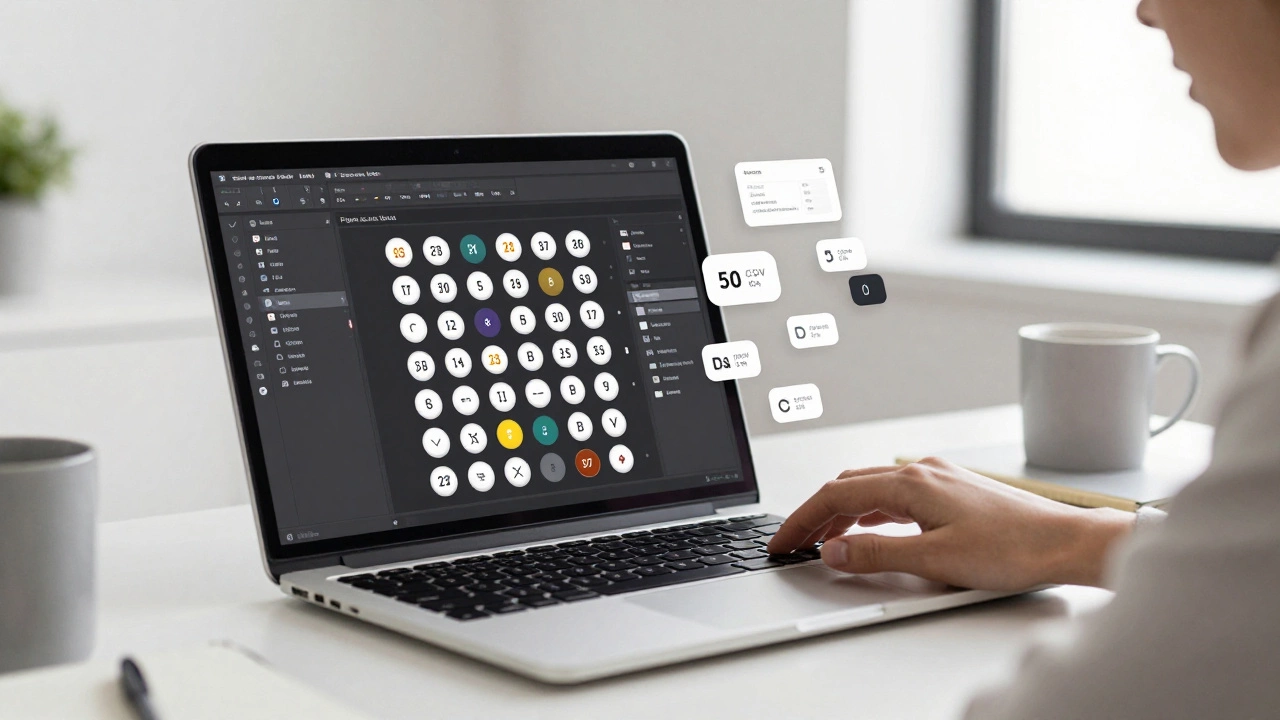
Python isn't used to design interfaces directly, but it powers automation, data analysis, and testing behind the scenes - helping UI/UX teams work faster and smarter with real insights.
Read More