

When you hear website valuation, the process of estimating the financial worth of a website based on its performance, assets, and market demand. Also known as website appraisal, it’s not about how fancy the design looks—it’s about what it earns, who visits, and how easily it can be scaled. Too many people guess. Some think a sleek homepage means high value. Others assume more pages = more money. Neither is true. A website with 50,000 monthly visitors and $5,000 in monthly profit is worth far more than a site with 500,000 visitors and no clear income stream.
What actually drives website worth, the measurable financial value assigned to a website in a sale or investment context? It’s mostly three things: consistent revenue, low risk, and clean tech. Buyers don’t care if you used WordPress or built from scratch—they care if the income is predictable. If your site makes money through ads, affiliate links, or product sales, and those streams have been steady for 12+ months, that’s gold. But if your revenue spikes and crashes with every Google update, your valuation drops fast. Then there’s the tech stack, the combination of software, platforms, and tools powering a website’s functionality. A site built with outdated plugins, no SSL, or messy code is a red flag. Buyers know fixing that costs time and cash—so they’ll lower their offer.
It’s not just about money in the bank. Ownership history matters. If you’ve owned the domain for five years and have clear records of traffic, earnings, and expenses, you’re in a strong position. If the site has been passed around like a hot potato, with no clear analytics or financial trail, it’s a hard sell. And don’t forget growth potential, the estimated future increase in a website’s value based on market trends, audience expansion, or monetization opportunities. A site with 2,000 email subscribers and no email marketing system? That’s free money waiting to be unlocked. A site with a loyal audience but no product to sell? That’s a buyer’s dream.
There’s no magic calculator. You won’t find a tool that gives you the exact number. But if you can show real numbers—monthly profit, traffic sources, customer retention, and operating costs—you’re already ahead of 90% of sellers. The best valuations come from data, not opinions. And the buyers? They’re not looking for pretty websites. They’re looking for businesses that run themselves.
Below, you’ll find real guides that break down exactly how to measure your site’s value, what buyers check before they write a check, and how to spot a fair offer—whether you’re selling, buying, or just trying to understand what your hard work is actually worth.
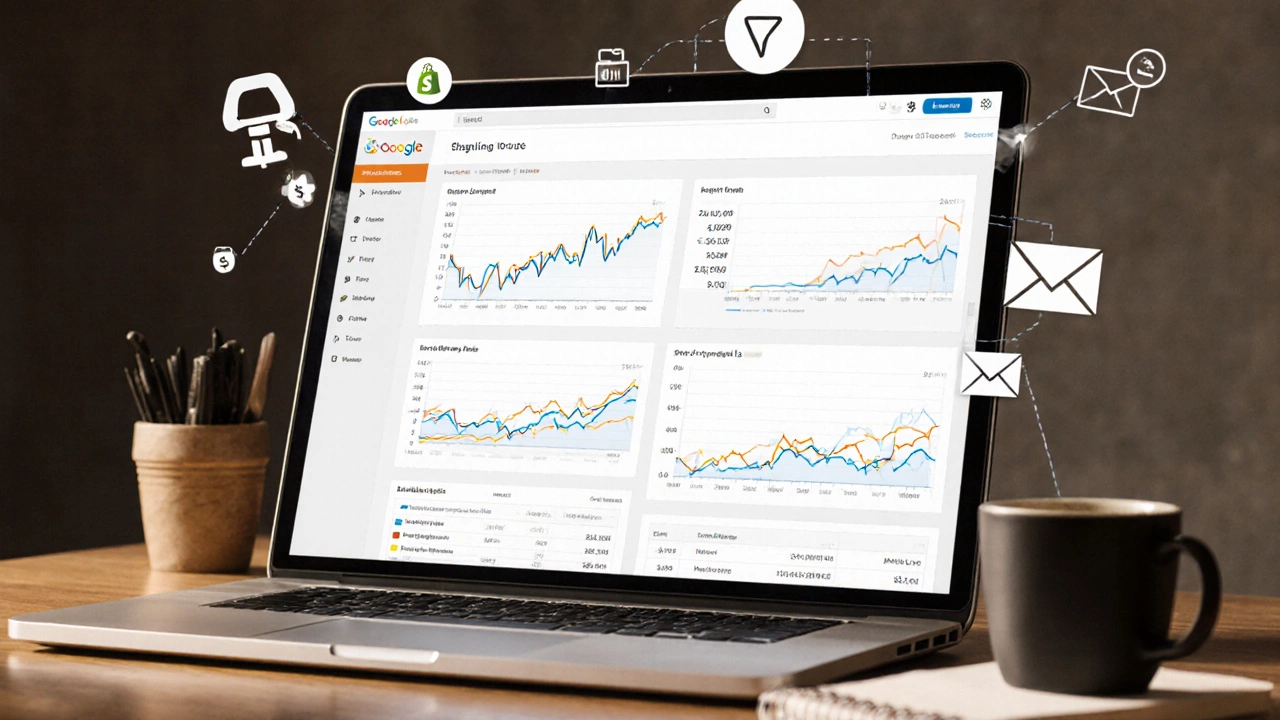
Find out what makes a website valuable and how much you can realistically sell it for based on traffic, profit, and automation. Real examples from 2025 marketplaces.
Read More